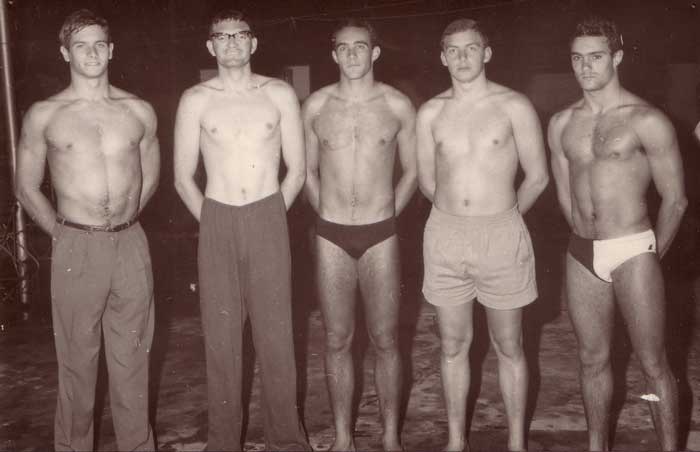
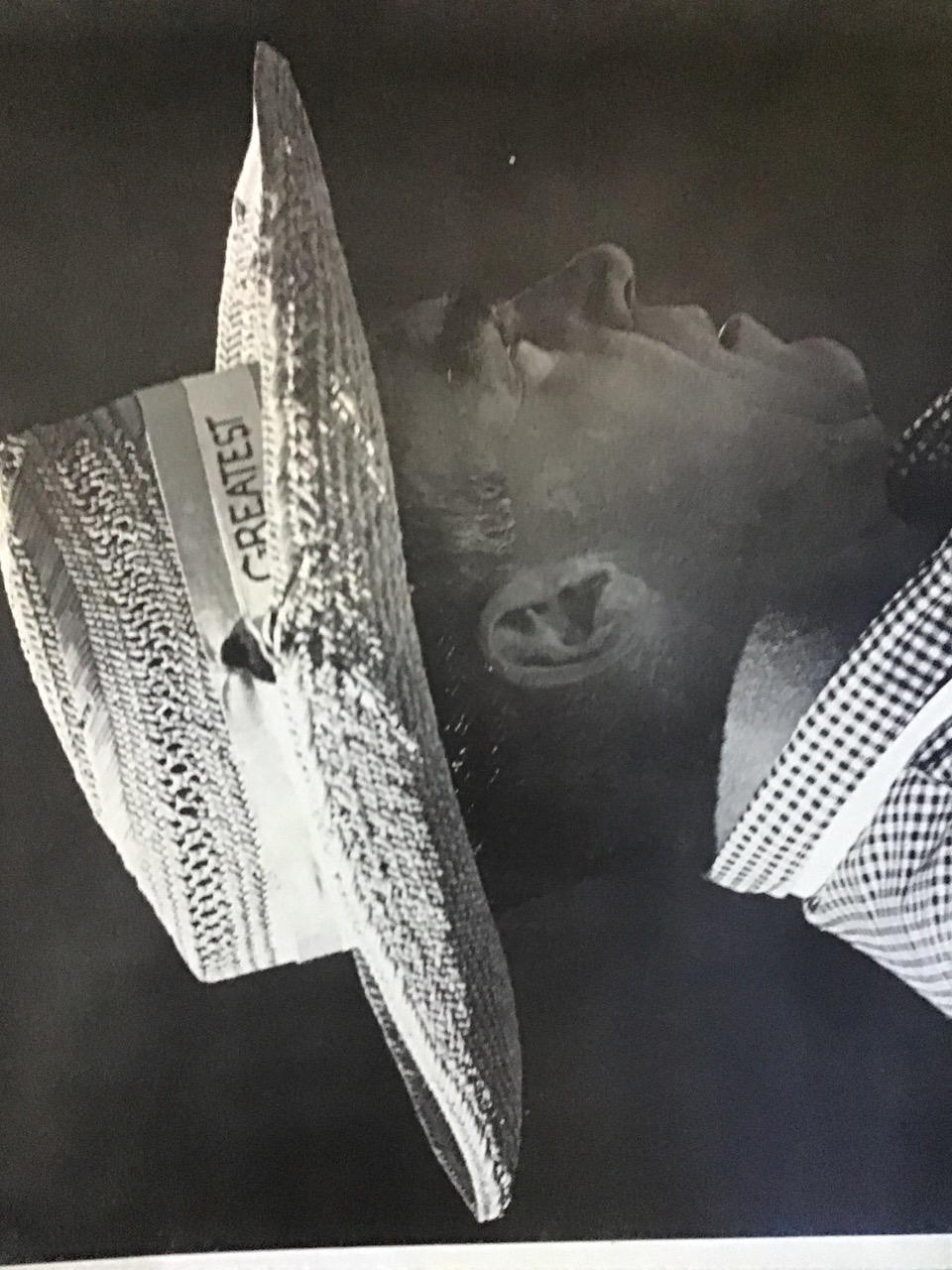
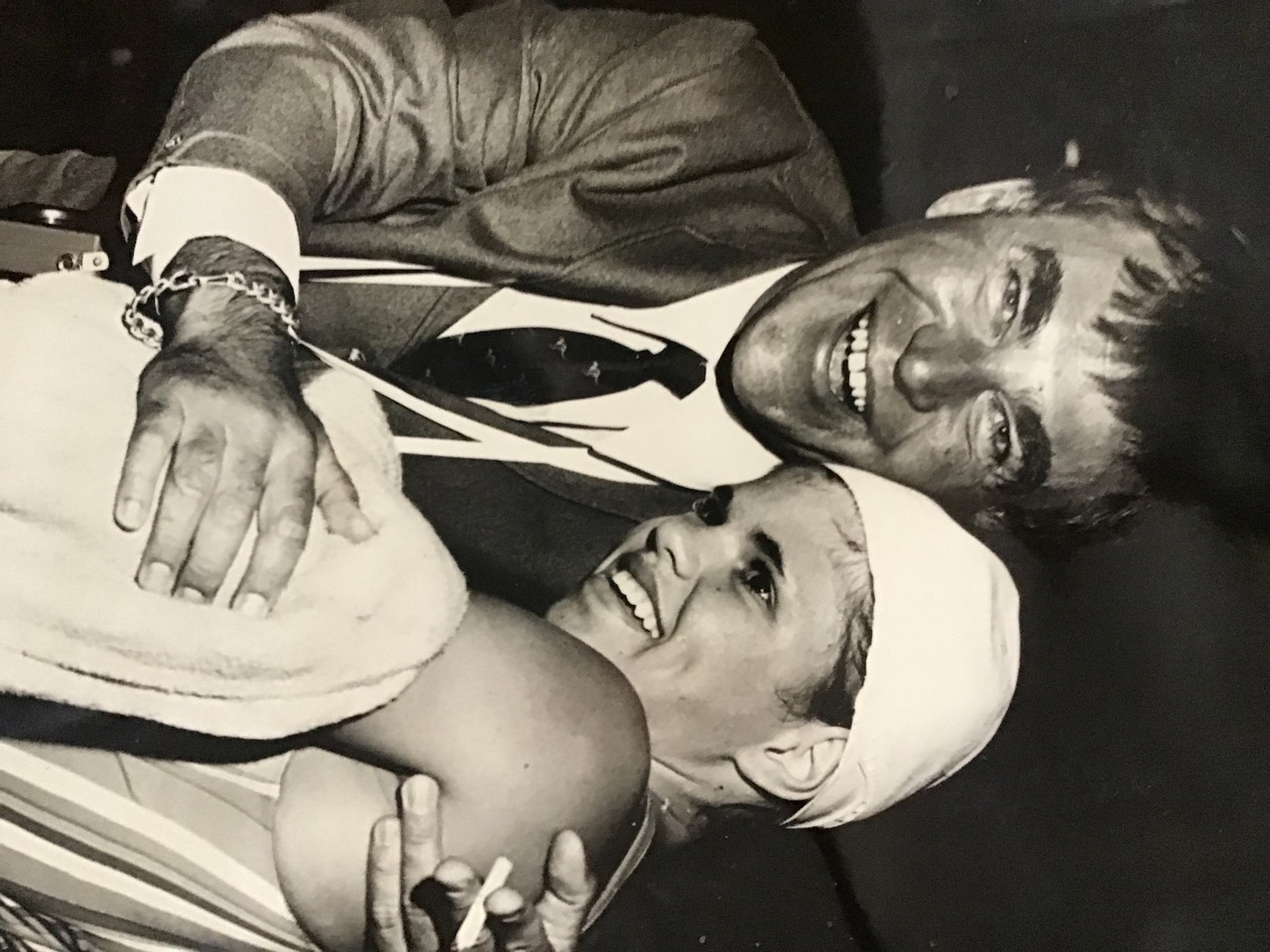
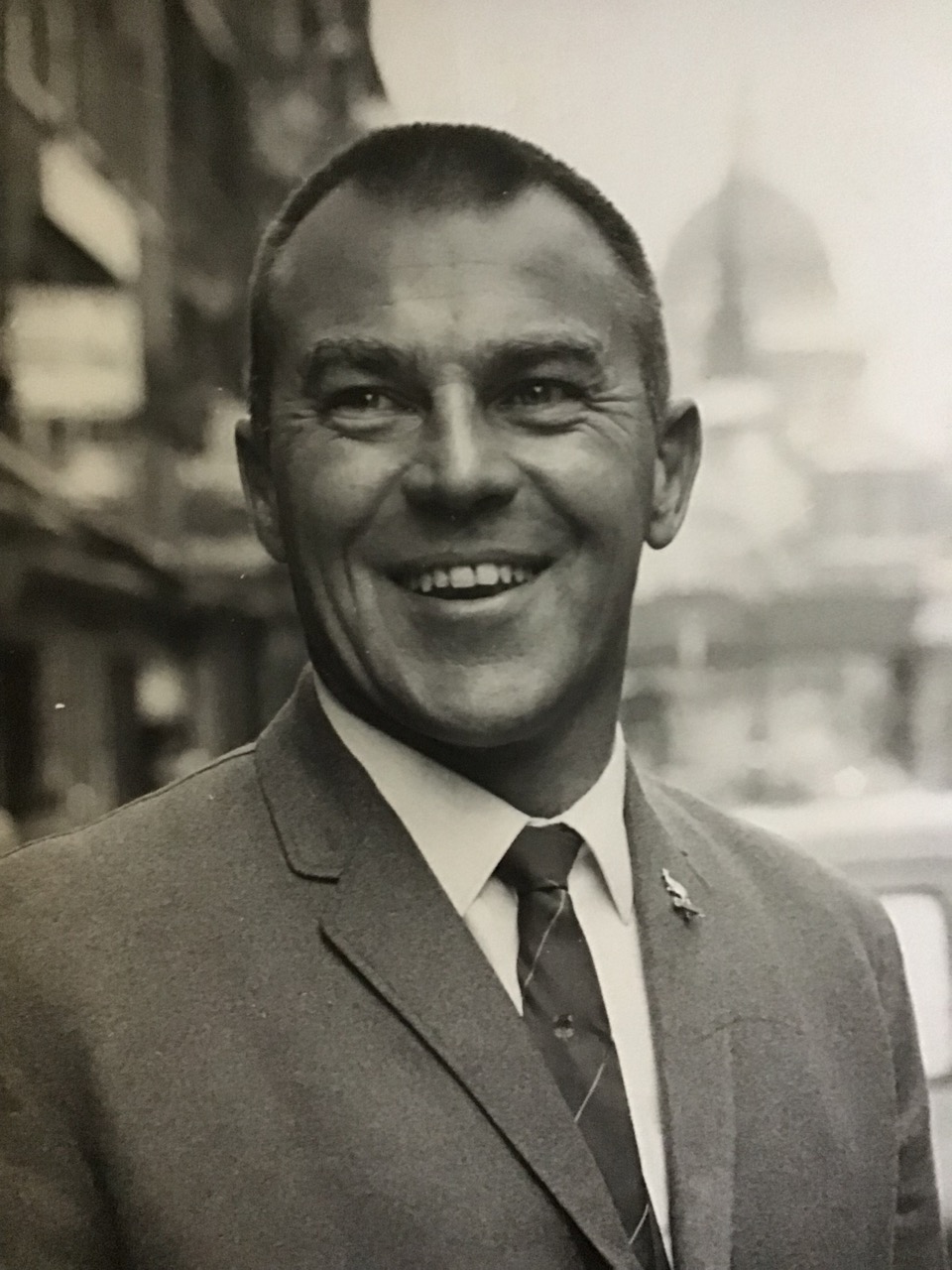
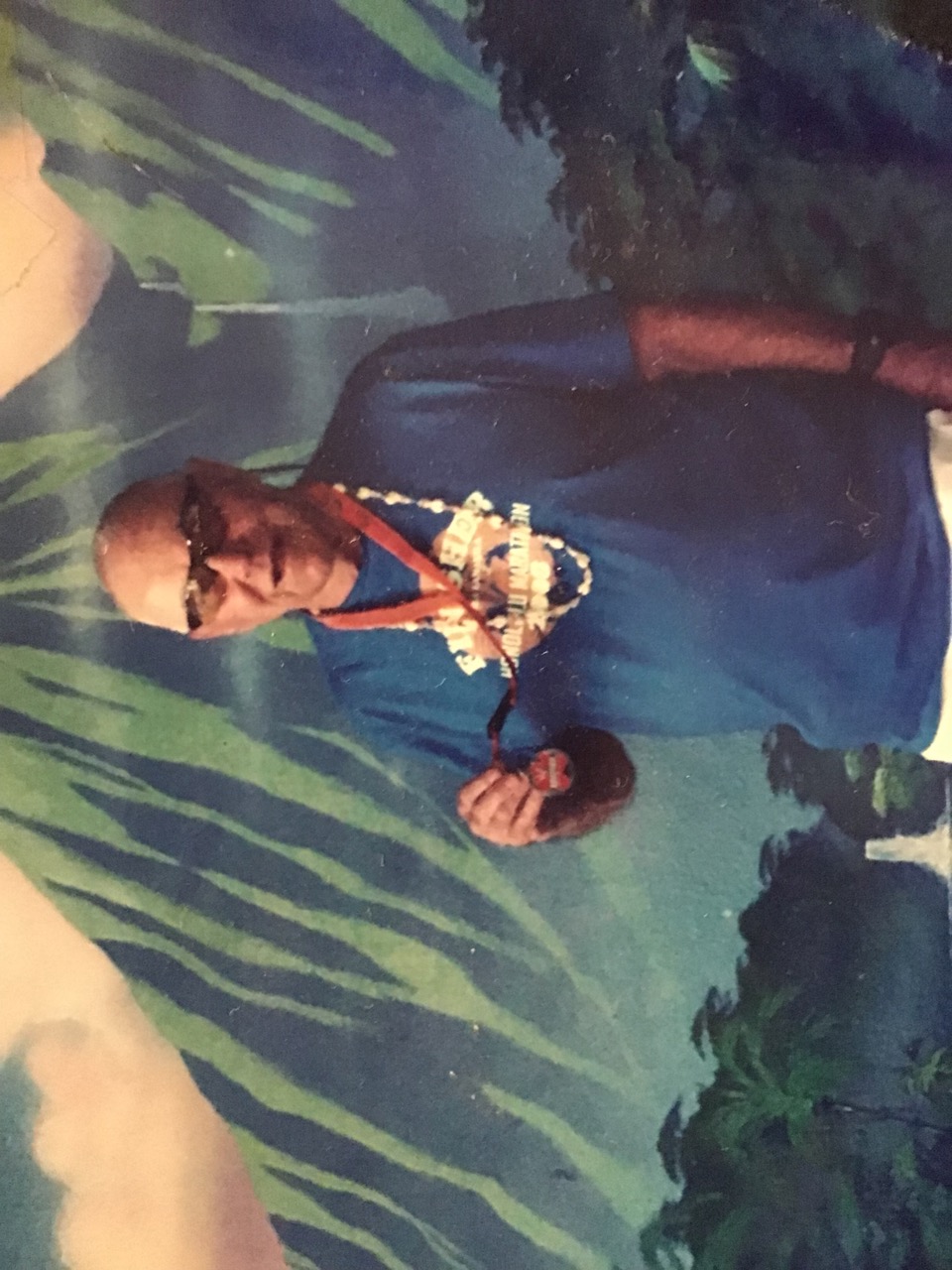
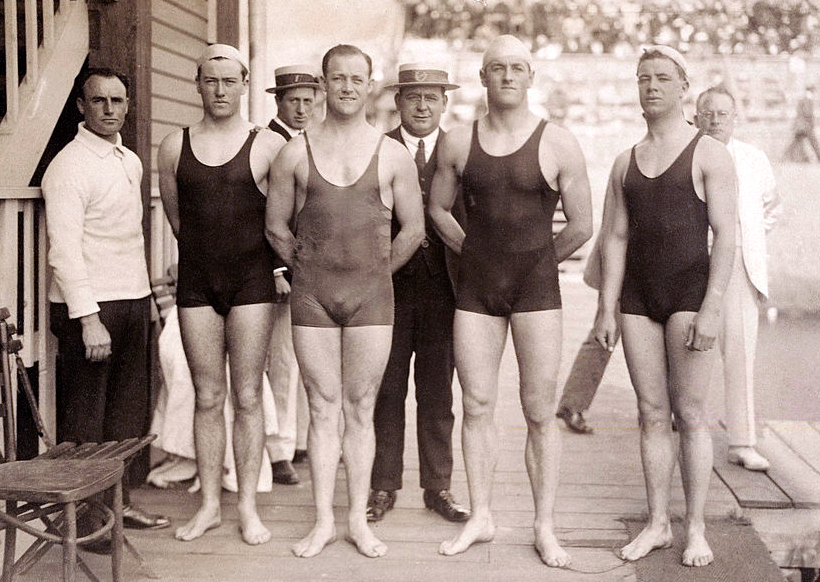
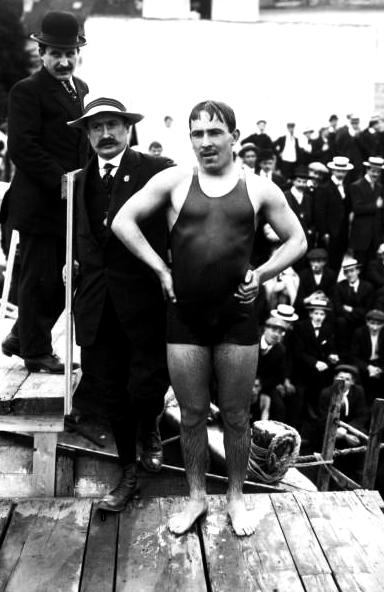
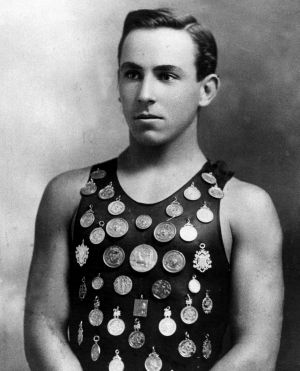
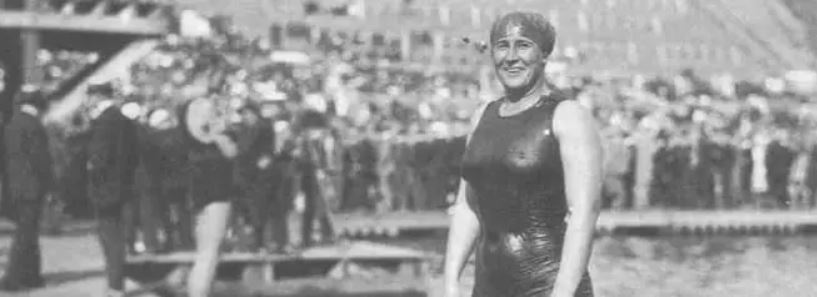
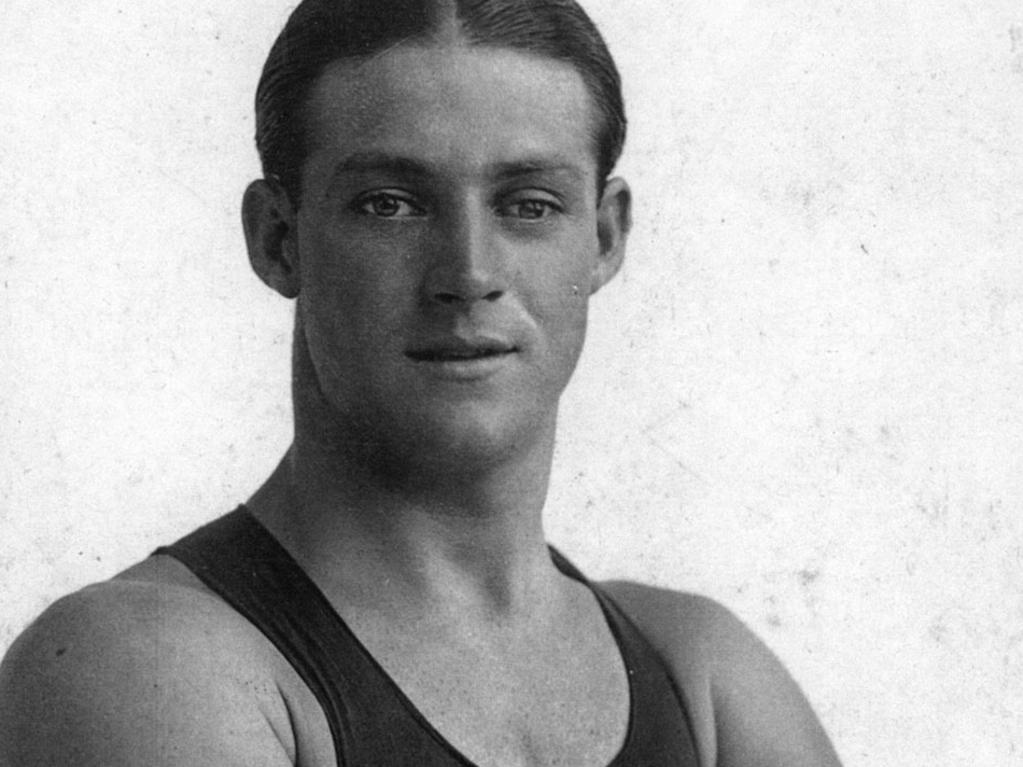
Manly Olympic swimmer Harry Hay. Picture: Northern Beaches library
Harry Hay: The Manly swimmer who went to six Olympiads
Born Henry Maitland Hay in 1893 but known universally as Harry, he was a swimmer of national renown before successfully turning his hand to coaching some of Australia’s best swimmers.
He was taught to swim by his father in Careening Cove at Neutral Bay and became a member of the North Sydney Swimming Club.
Throughout his school days, Harry regularly won schoolboy age championships and in the 1908-09 season won the NSW junior 100-yard championship.
But surfing was also a passion for Harry Hay and in 1911 he was a founding member of Manly Life Saving Club.
On January 10, 1915, Hay was at Freshwater Beach when Hawaiian Olympic swimmer Duke Kahanamoku put on one of his displays of surfboard riding.
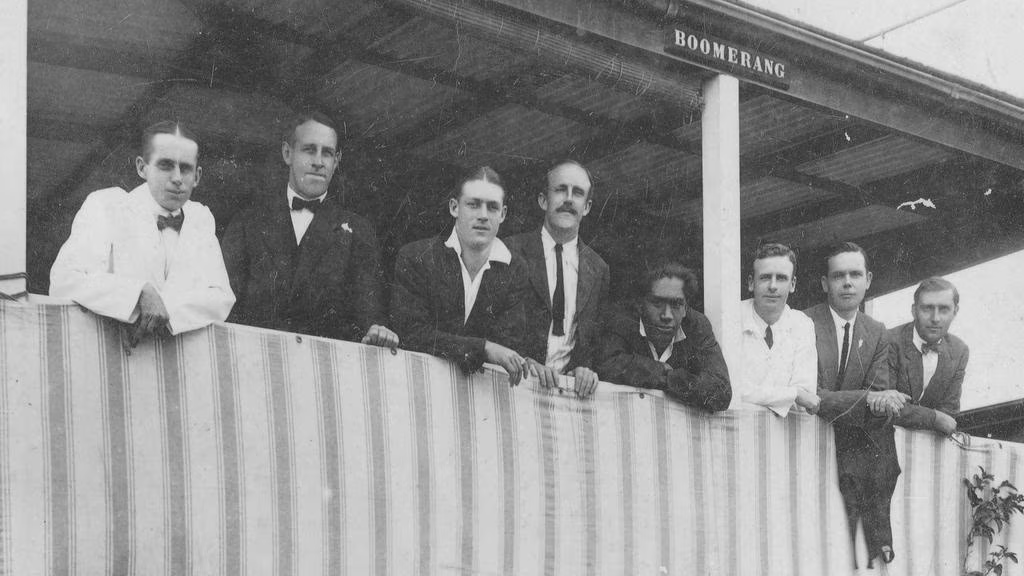
Afterwards, Duke offered Hay and another local, Fred Williams, the chance to try their hand riding a surfboard.
Later that day, Hay and Williams were among several people photographed with Duke on the verandah of the well-known camp called Boomerang.
After the outbreak of World War I, Hay tried to enlist but was initially knocked back because of his poor eyesight.
But when he tried to enlist again in January 1916, he was accepted and was posted to the Australian Army Medical Corps.
In August 1916, he embarked on the hospital ship Karoola, which made numerous voyages transporting replacement medical staff to England and returning to Australia with invalided soldiers.
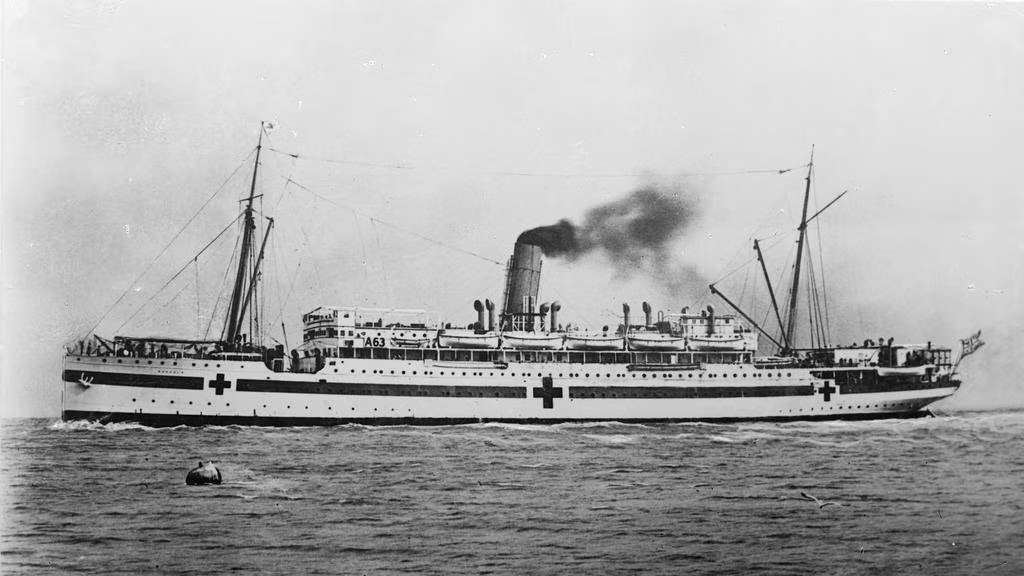
Hay was discharged in September 1917.
In the 1918-19 season, he won the AIF championship and followed that with third place in the Australian 100-yard championship in the 1919-20 season.
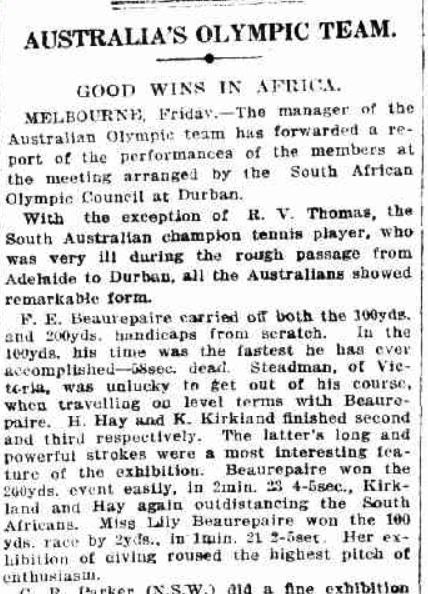
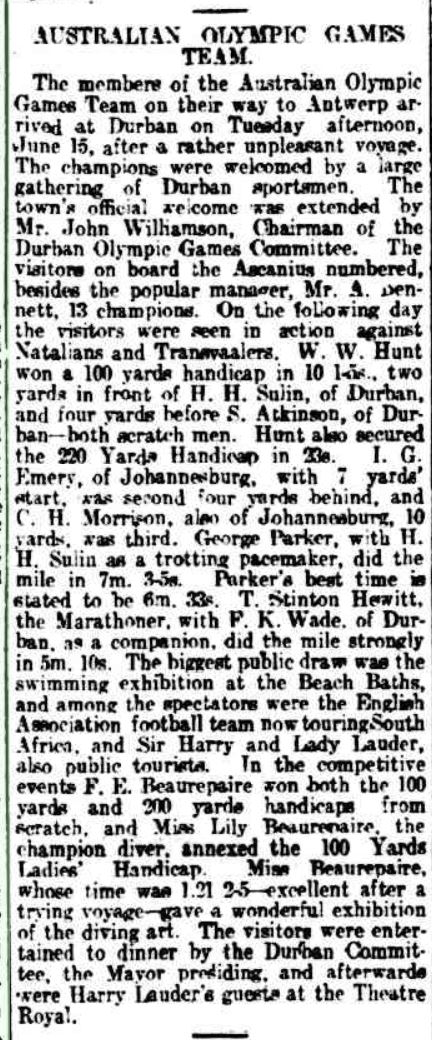
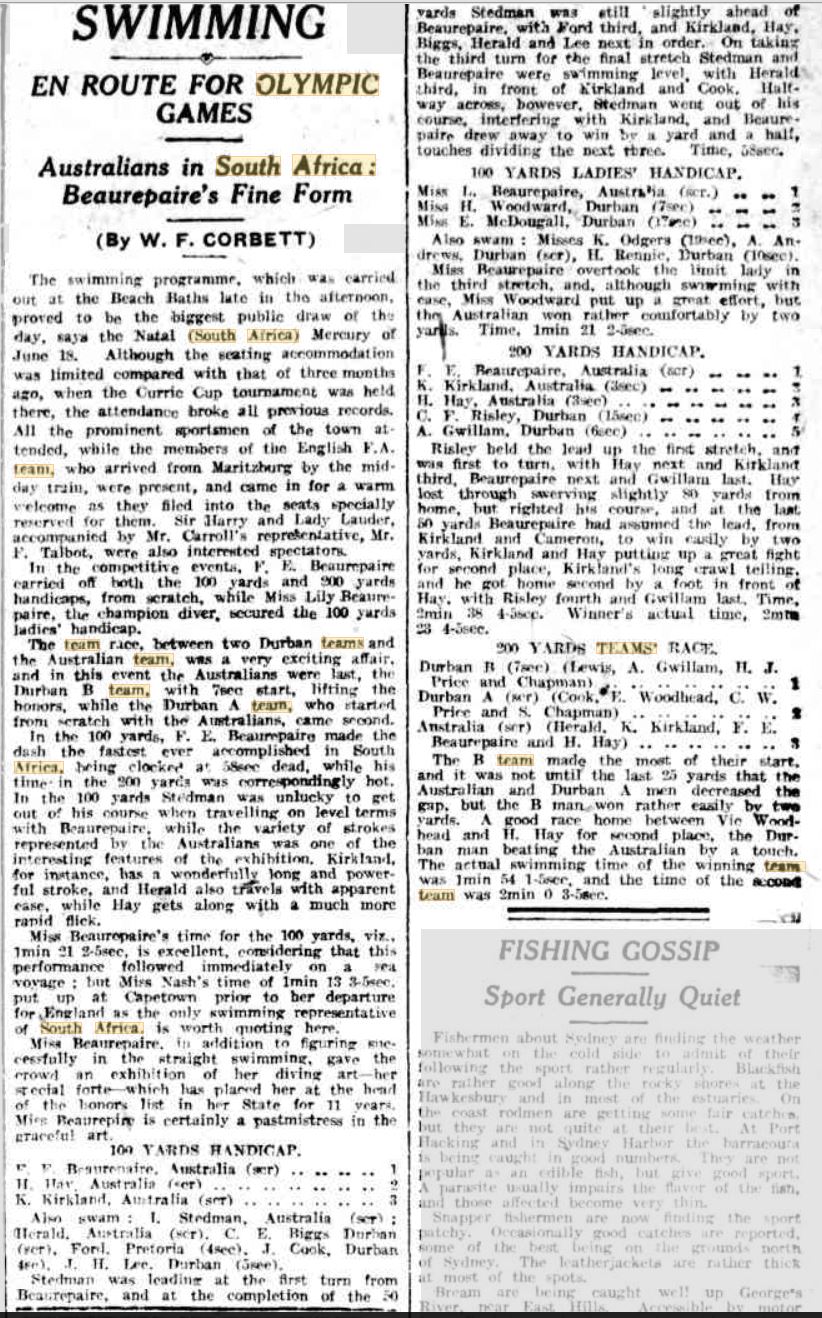
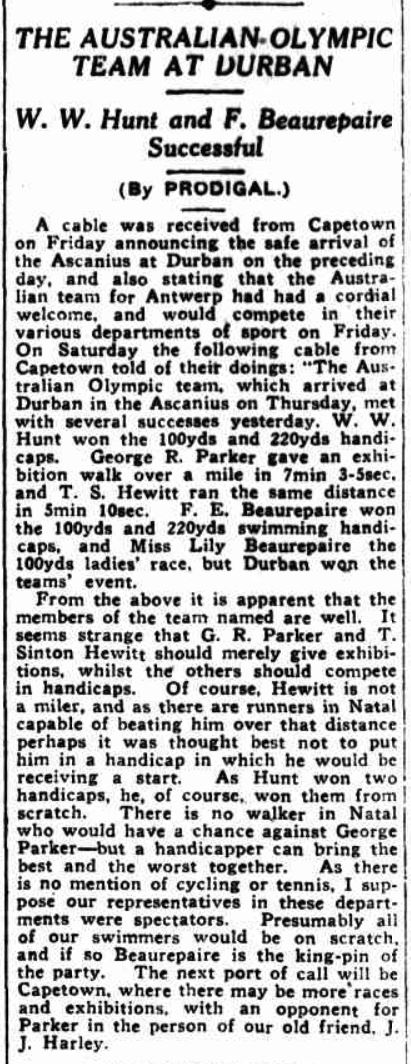
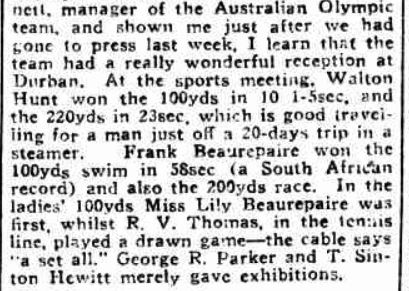
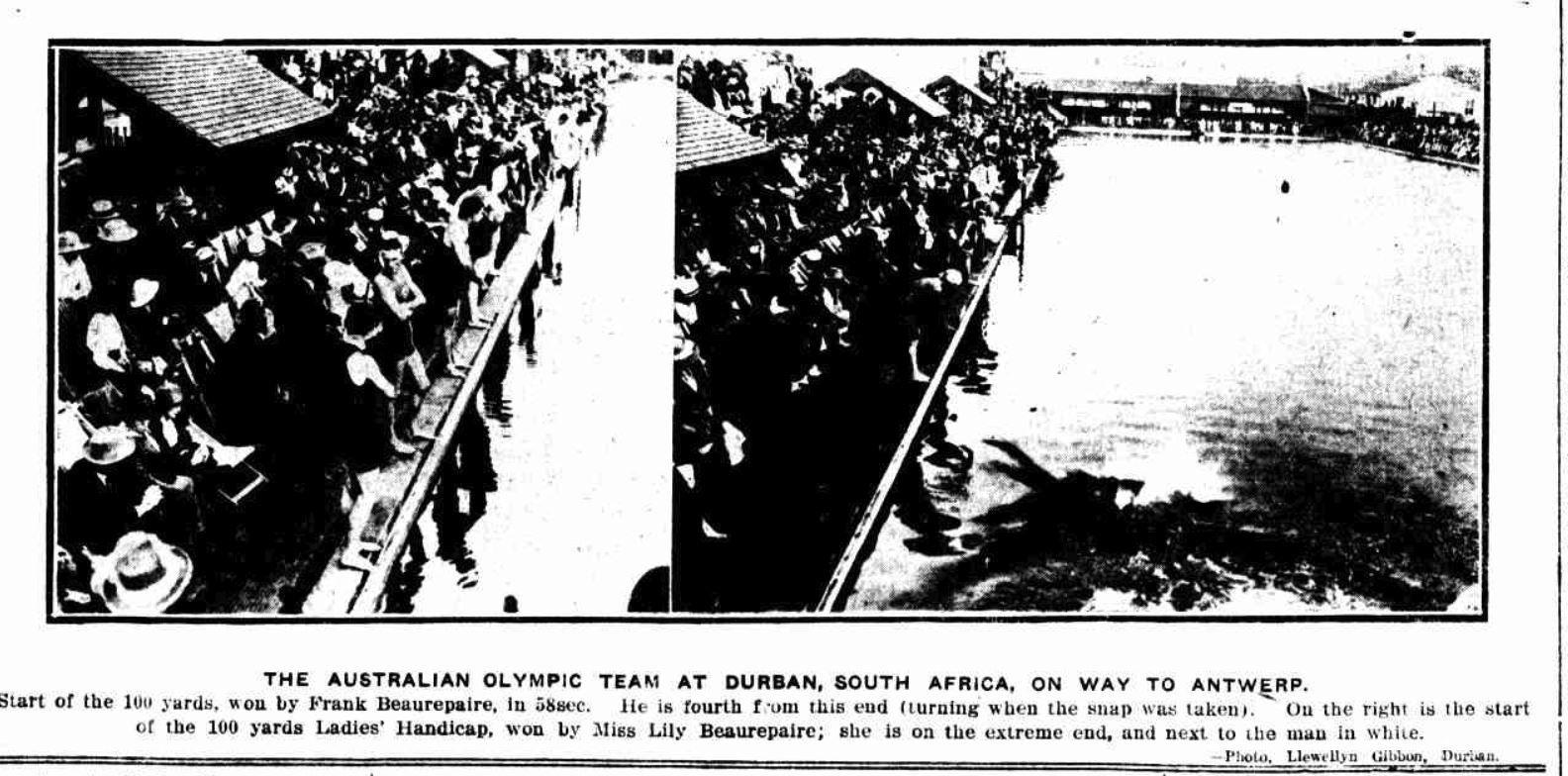
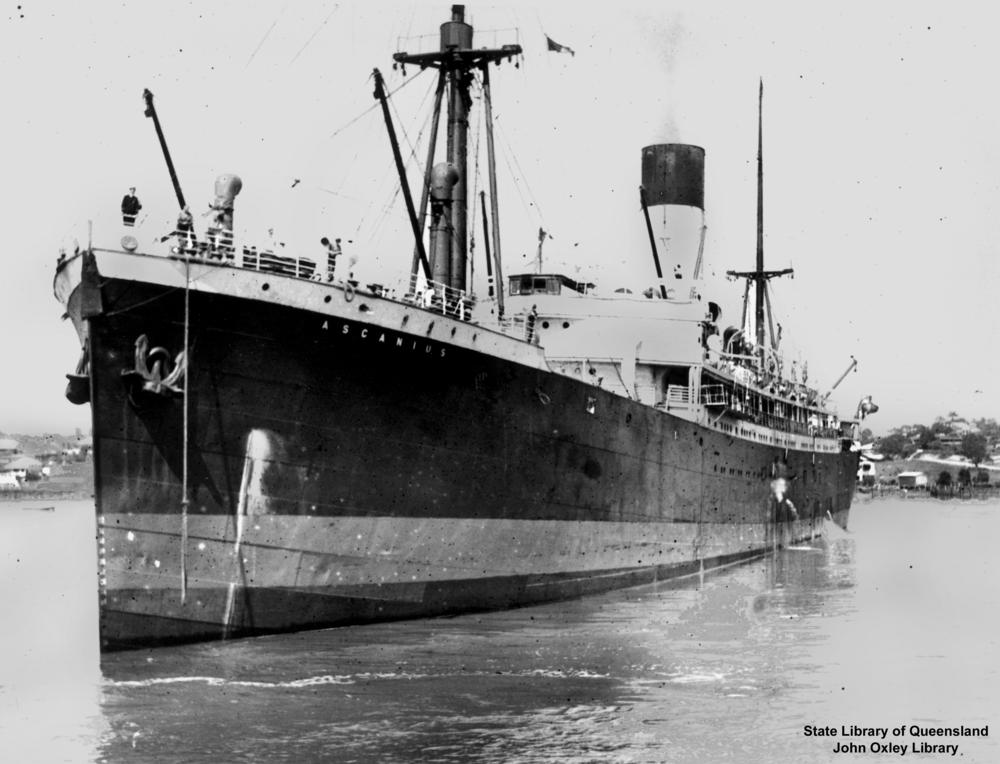
In 1920, Hay was selected for the Australian team to compete in the first post-war Olympic Games, which were to be held in the Belgian city of Antwerp, and was later also appointed assistant manager of the team.
In Antwerp, Hay competed in the 100m freestyle, in which he came second in his heat but was unplaced in the final.
He was also unplaced in his heat of the 400m freestyle event.
But while he might have been disappointed in his individual events, Hay tasted success in the 4 x 200m freestyle relay.
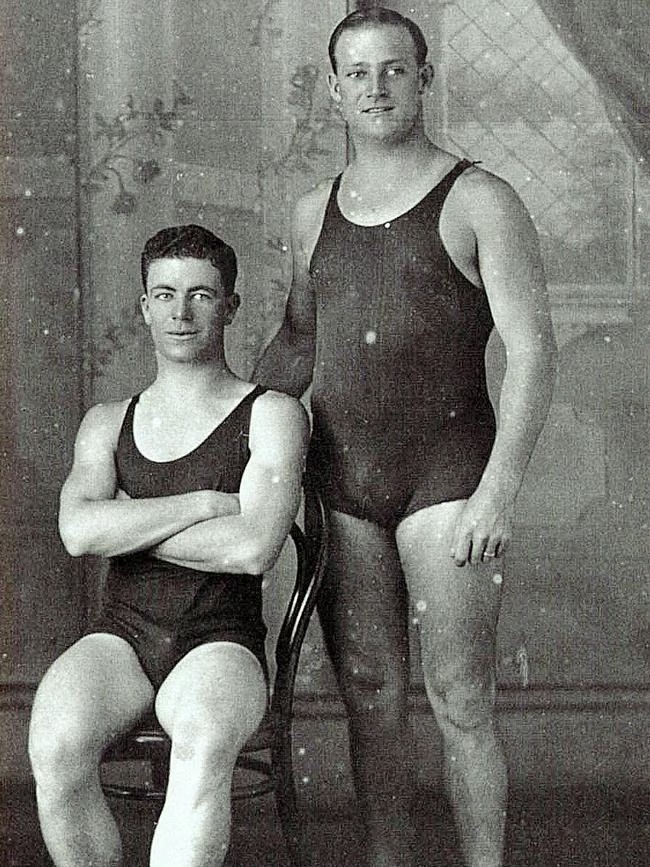
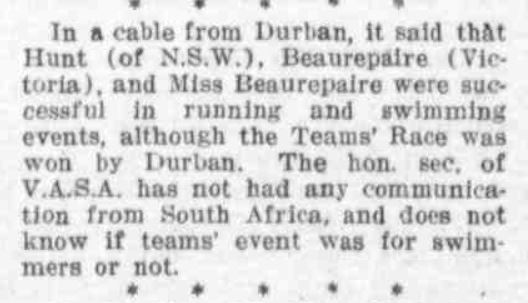
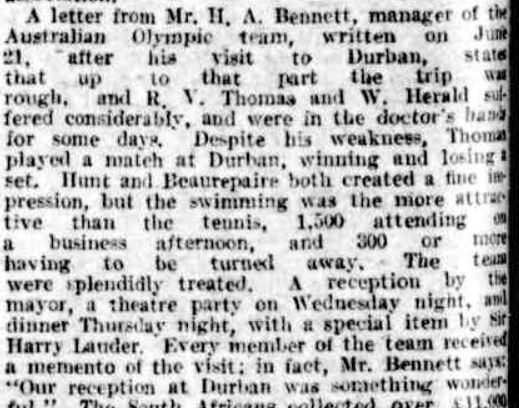
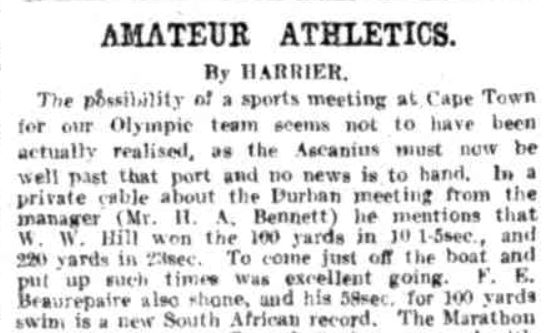
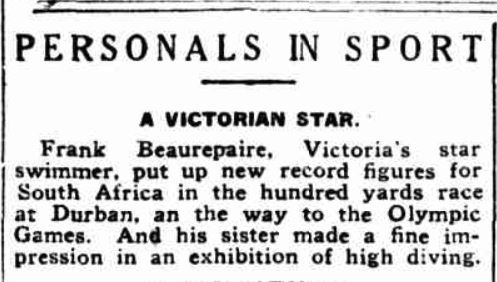
Pitted against the American team containing the Hawaiians Duke Kahanamoku and Pua Kela Kealoha, who had finished first and second in the 100m freestyle event, the Australian team of Harry Hay, Frank Beaurepaire, Ivan Steadman and another Manly swimming champion, Billy Herald, swam a creditable race to win the silver medal.
The silver medal in the 4 x 200m relay was one of only two medals won by the Australians in Antwerp, the other being the silver medal won by George Parker in the 3000m walk.
On his return to Australia, Hay won the Australian 100-yard championship in the 1920-21 season.
Hay was also recognised as one of the state’s best beltmen in the surf – he was a member of the Manly Life Saving Club’s team that won the Cecil Healy Memorial Shield seven years in a row to gain outright possession of the shield in perpetuity.
As captain of Manly Swimming Club, Hay also continued to dominate in the pool, winning the club’s 100-, 220- and 440-yard championships three years in a row.
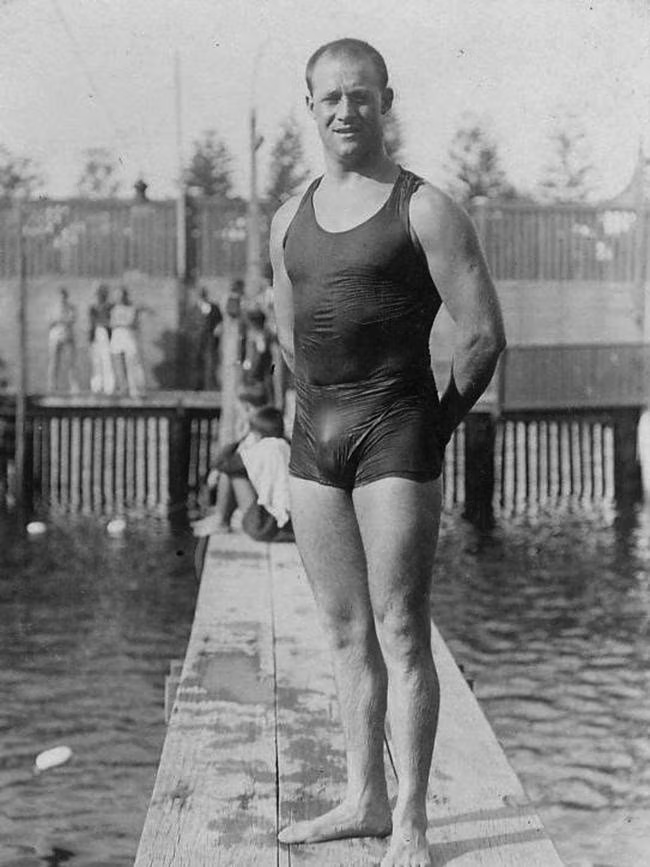
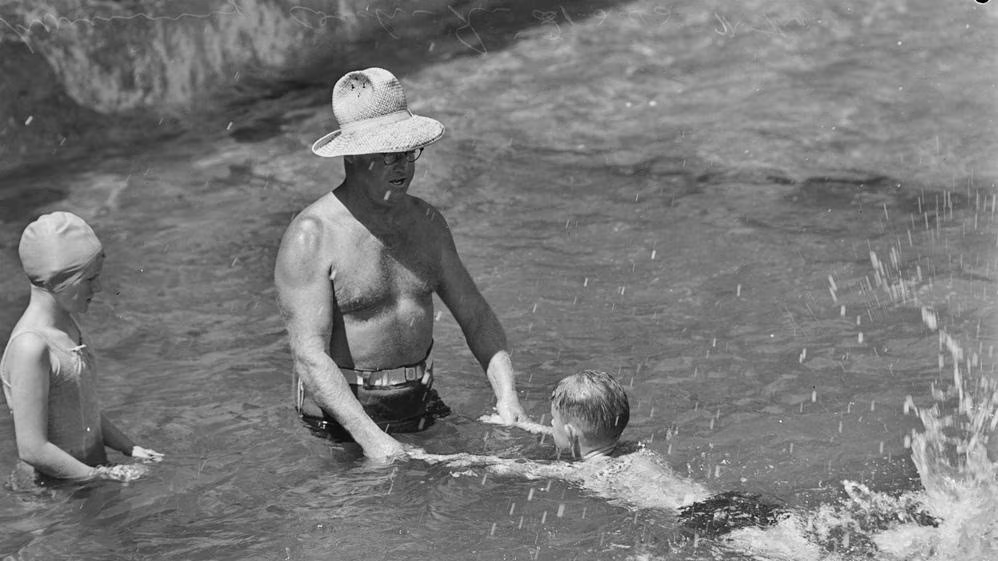
And as if competing in the pool and the surf were not enough to occupy his time, Hay was also a swimming instructor, a delegate and executive officer of the NSW Amateur Swimming Association and a first-grade rugby union referee.
In 1923, Hay was in serious contention for a place in the Australian team but, ironically, could not beat some of the younger swimmers at the Manly club who he had helped train – Boy Charlton, Ernest Henry and Billy Herald.
But Harry Hay went to the 1924 Olympics anyway, ostensibly as honorary masseur but actually as an unofficial swimming coach, and when Boy Charlton’s trainer and mentor, Tommy Adrian, was incapacitated by illness, Hay took over as Charlton’s trainer.
In fact Harry Hay attended every Olympiad from 1924 to 1948 as an unofficial swimming coach, although he went under the guise of honorary masseur or something similar.
It was something all national Olympic teams did but never acknowledged.
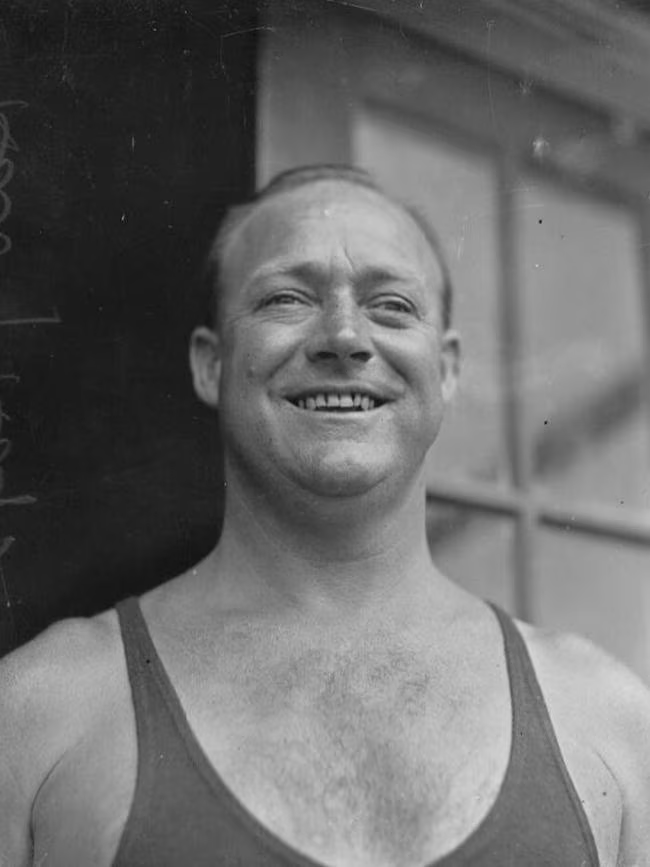
During the 1928 Olympics in Amsterdam, Hay was actually paid £5 a week to coach his protégé, Boy Charlton, but was still described as a masseur.
And when Hay attended the 1932 Olympics in Los Angeles, he paid his own way and did not even qualify as an honorary masseuse.
Speaking to Olympic historian Harry Gordon many years later, Manly Olympic swimmer Ernest Henry described Harry Hay as “very likeable but a mystery man, able to con his way into all sorts of places and events using his blazer from the 1920 Games”.
Harry Hay was present in Berlin in 1936, the last Olympiad before World War II, and was impressed by what he saw there.
In December 1936, Hay addressed members of Queenscliff SLSC and his speech was reported in the January 1937 issue of Surf in Australia.
“Mr Hay was particularly impressed with the Hitler Youth Movement,” it was reported.
“He was given access to several camps.
“There are no unemployed in Germany today, every lad being drafted into the Youth Camps for 12 months’ training.
“Without a certificate from the Camp, no lad could find work in Germany.
“Any boys who would not find work were taken into the military.
“Mr Hay’s comment that these camps could well be instituted in Australia is not without ultimate possibility.
“Mr Hay remarked that in Australia there are too many loafers living on the Government.”
Harry Hay also attended the first Olympiad after the war in London in 1948, by which time his thoughts on the Hitler Youth Movement would no doubt have changed.
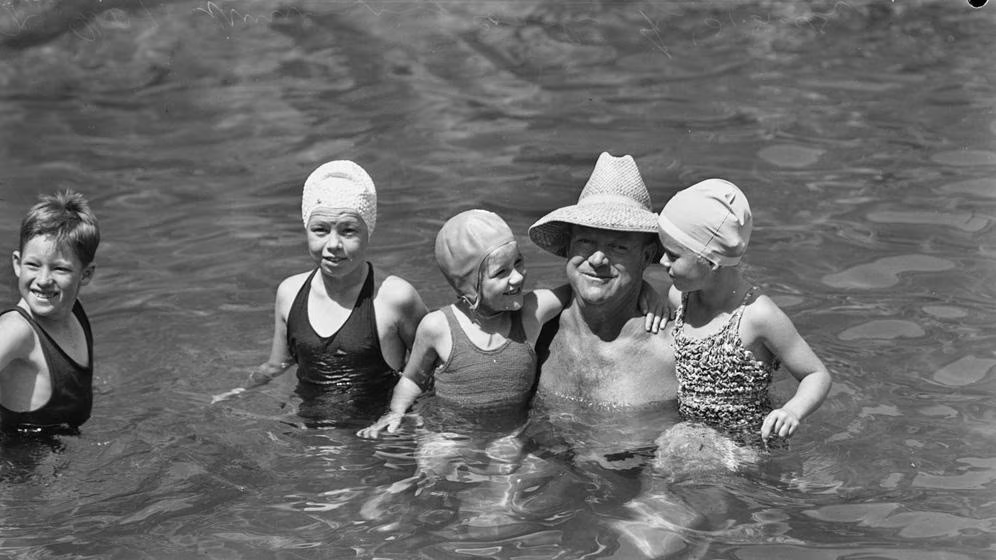
By then he was still training champions, including Arthur Beard, who won the 440-yard Australian championships in 1946 and 1947.
In all, Harry Hay attended six Olympiads spanning 28 years – one as a competitor and five as an unofficial swimming coach – as sure a measure as any of his commitment to the sport.
Harry Hay married Mary Thorp in 1949, but he died in St Ronan’s Hospital at Manly in March 1952, aged 59.
He had intended to attend the 1952 Olympic Games later that year in Helsinki as the coach for swimmer Rex Aubrey from Dee Why.
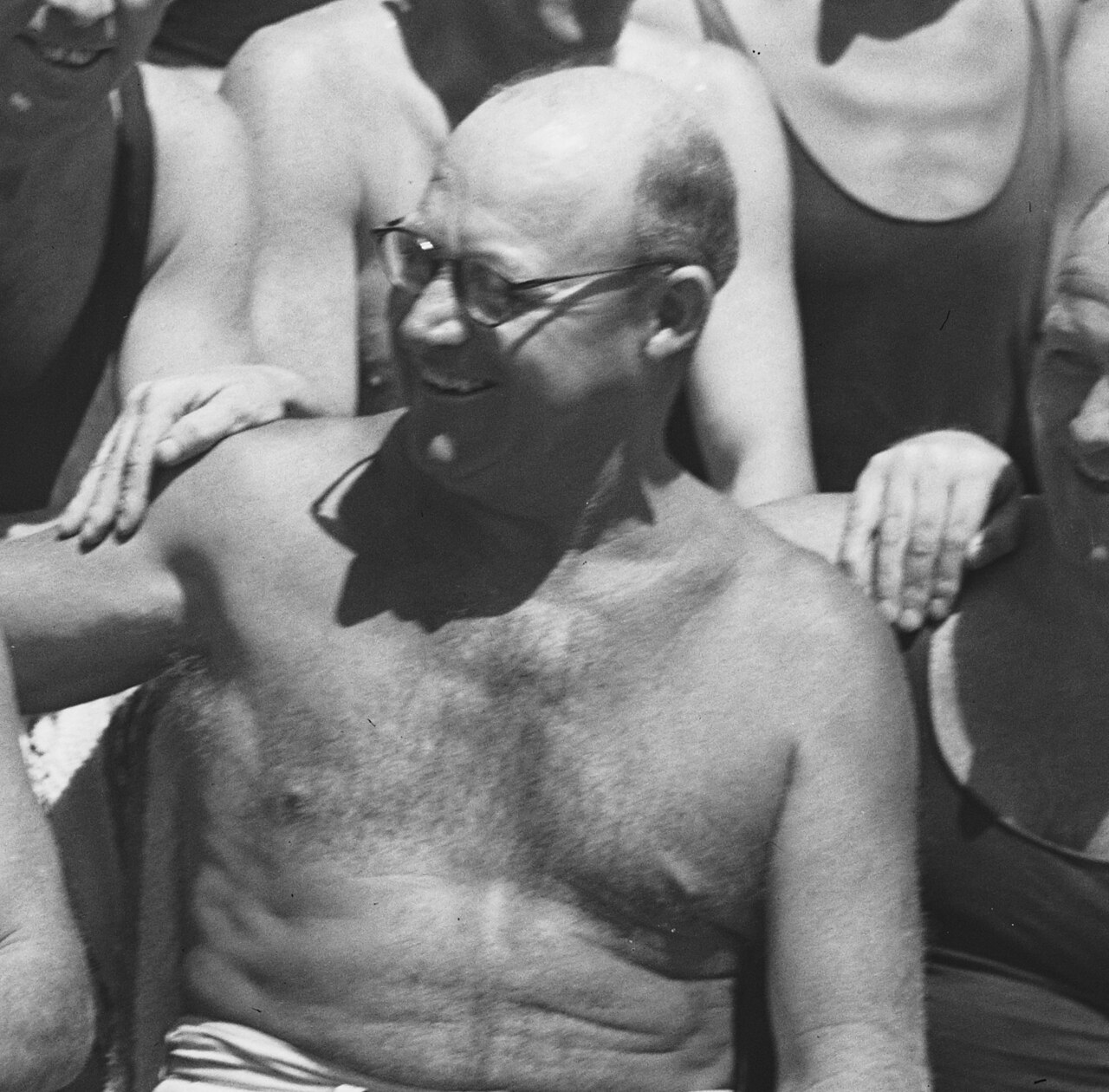
https://www.dailytelegraph.com.au/newslocal/manly-daily/harry-hay-the-manly-swimmer-who-went-to-six-olympiads/news-story/2ae20f81479b80a9d5a4f788c7898c40
Billy Herald: The champion Manly swimmer who won silver at the 1920 Olympics
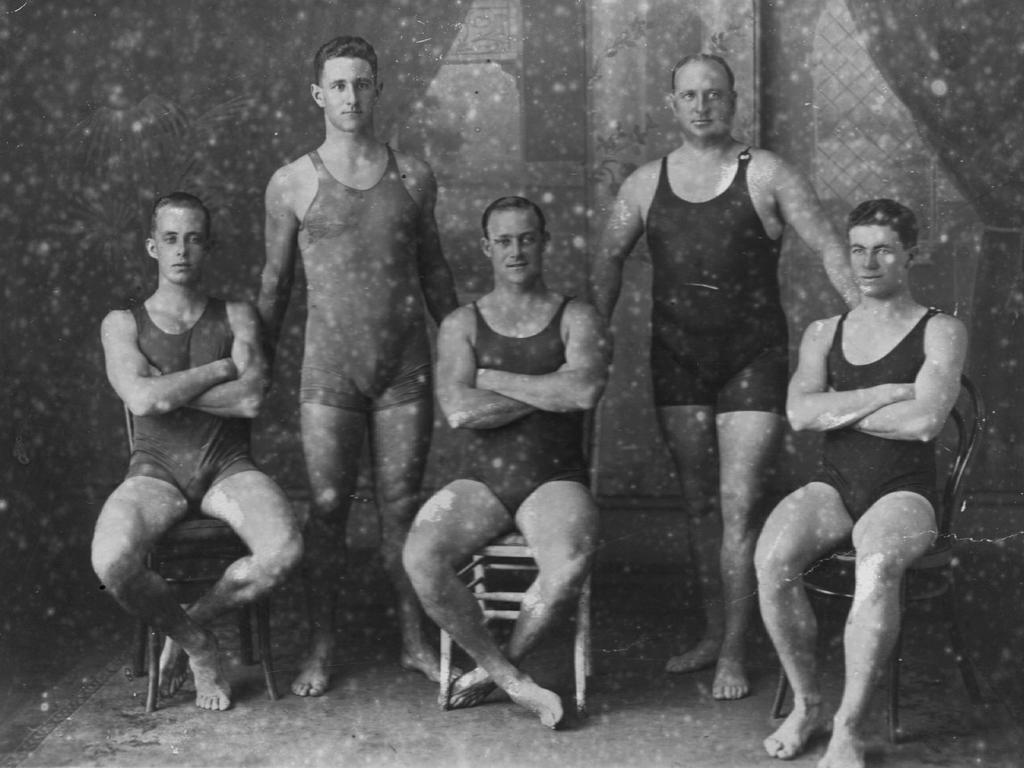
Manly ASC's 500-yard champion team of NSW 1920-21, Billy Herald seated (far right). Photo Northern Beaches Library
He was one of the peninsula’s earliest Olympians but the name of William “Billy” Herald has virtually disappeared from memory.
Even Australian sporting history websites mistake the age of the Manly swimmer who won a silver medal at the 1920 Olympics at Antwerp and have no idea what happened to him afterwards.
William Sharp Hannah Herald was born at Glebe on April 28, 1900, and may have been named in honour of William Sharp Hannah, whose parents also lived at Glebe but who died of thirst at Mount Arrowsmith Station in far western NSW in December 1899 – four months before Billy’s birth.
In 1908 Herald’s family moved from Glebe to Vaucluse and he attended Sydney Grammar School but the family later moved to a house called Dunoon in Clifford Ave, Fairlight.
Herald joined the Manly Swimming Club when he was 11 but was so good in the water that he was soon conceding substantial starts to more senior club mates in handicap events and by the age of 15 had won the club’s junior 110-yard championship.
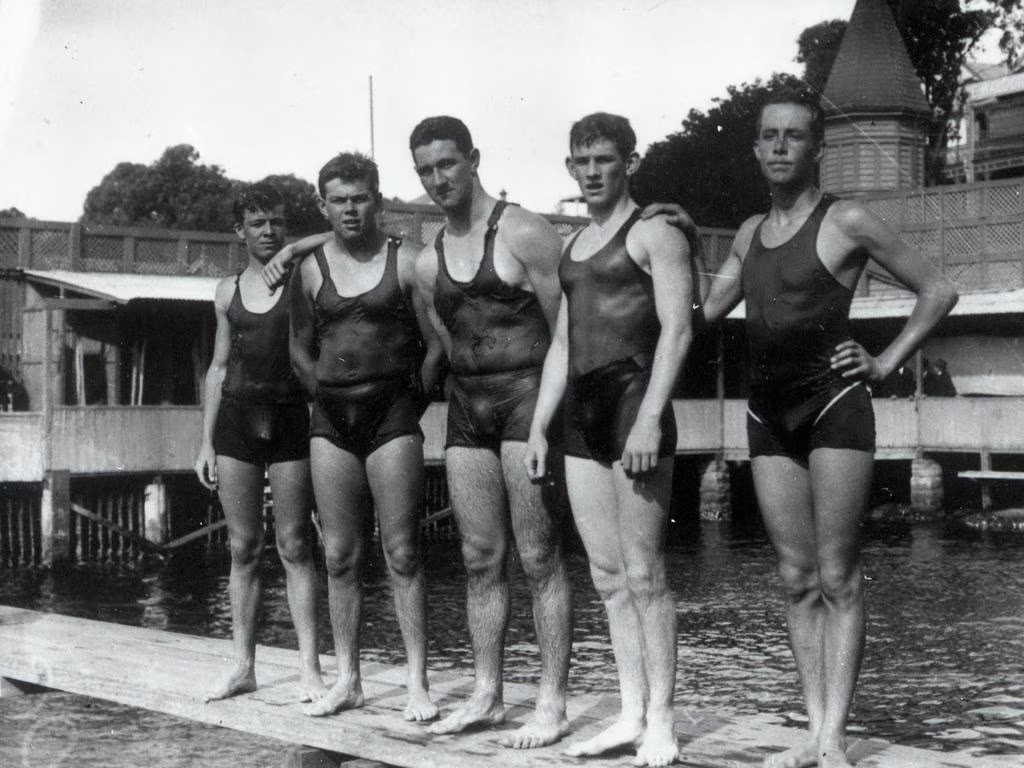
Billy Herald (at left) with other bathers at Manly Baths c1915. Photo Northern Beaches Library
But Herald’s swimming career was put on hold for a time after he left school and took up a position with the agricultural company Dalgety’s and spent several months in the country.
In August 1918, aged 18, Herald enlisted for war service but the end of the war three months later meant he was not shipped overseas.
Back in the water, Herald won the 220-yard Manly club championship and the AIF 110-yard championship.
As well as swimming, Herald was a keen competitor for Manly LSC, where he was a member of the Manly team that won the RLSS relay championship in 1919-20.
In the lead-up to the 1920 Olympics in the Belgian city of Antwerp – the first Olympiad since 1912 – Herald won three of the four Olympic freestyle selection races, including the NSW test race in 59.2 seconds
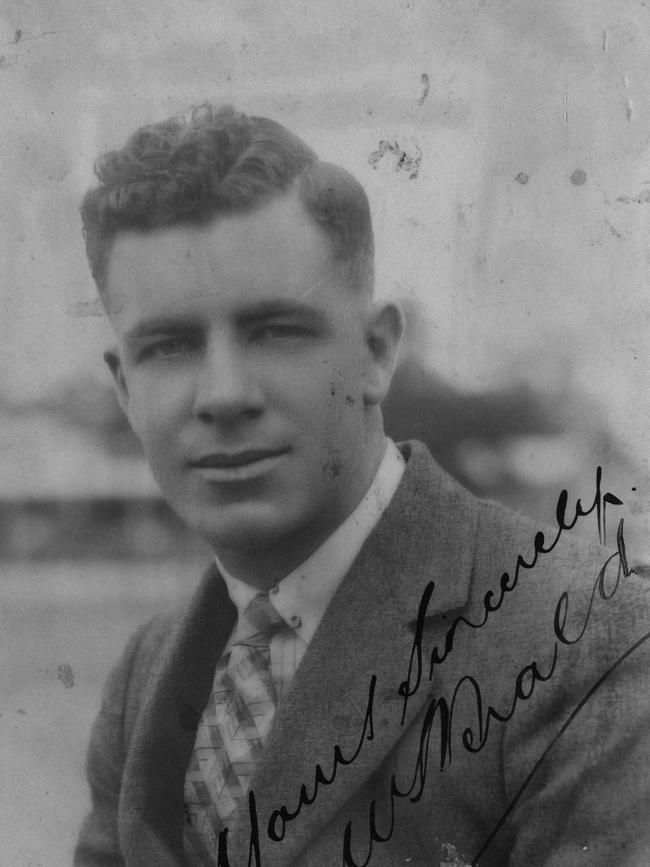
Billy Herald c1920
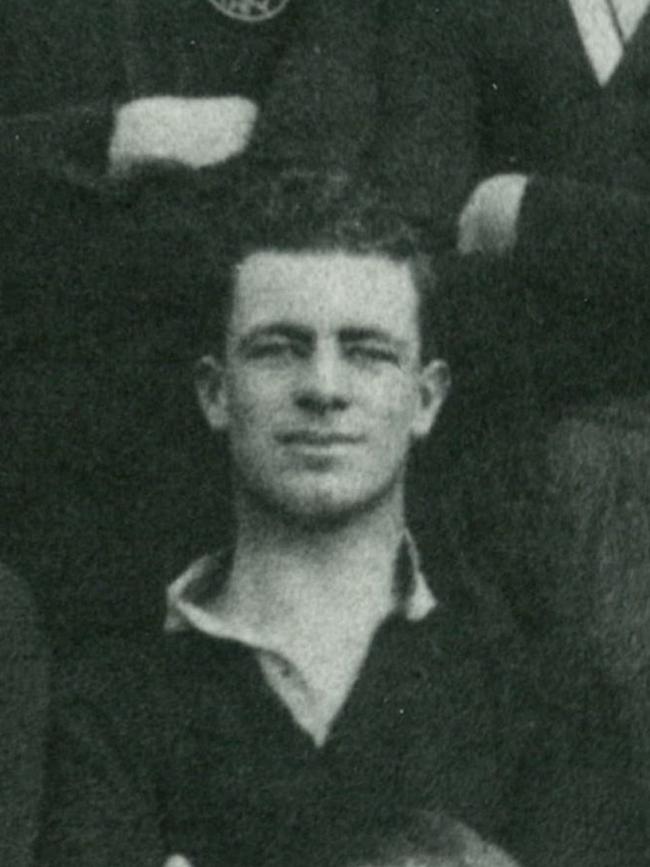
Billy Herald in the Manly LSC rugby team in 1924. Photo: Northern Beaches Library
Also selected for the 1920 Olympics was another Manly boy – Harry Hay – and both were selected in the 4 x 200m freestyle relay.
The Australian foursome came a creditable second to win the silver medal behind the powerful American team, which included Duke Kahanamoku and Pua Kela Kealoha.
In Herald’s other event, the 100m freestyle, he was less successful.
He came second in his heat and third in his semi-final, earning himself a place in the final.
But the final of the 100m freestyle was controversial – Herald was placed fifth in the final but complained that he was fouled by one of the American swimmers, so the race referees order the race to be swum again.
The offending American swimmer didn’t compete, but Herald could only manage fourth behind the Hawaiian trio of Duke Kahanamoku, Pua Kela Kealoha and William Harris.
In the 4 x 200m relay, Herald joined with Frank Beaurepaire, Harry Hay, and Ivan Stedman to claim the silver medal behind the powerful American team.
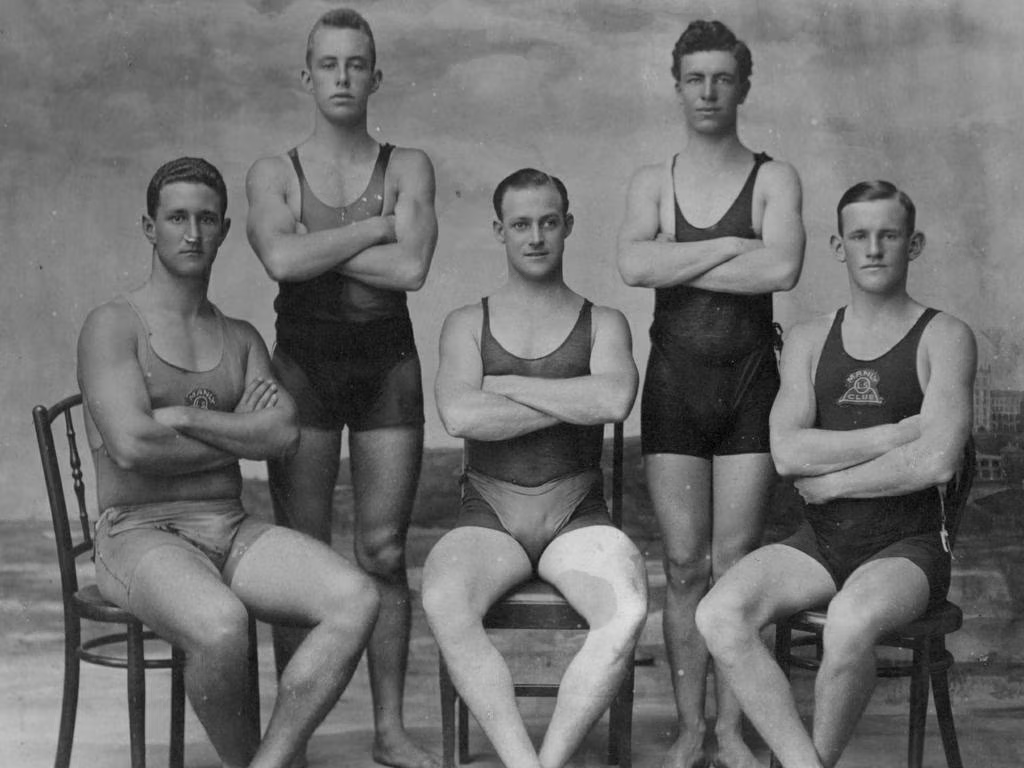
Manly ASC premiers 1919-20, with Billy Herald second from right (standing). Photo Northern Beaches Library
Back in Australia, Herald continued competitive swimming, winning the 100-yard Australian championship in 1922 and in 1924 tying with Swedish champion Arne Borg at the Domain Baths.
Herald was also a keen footballer and was a member of the Manly Life Saving Club’s football team that won the second-grade premiership and the Kentwell Cup in 1924.
Herald was a shoo-in for the Australian team to the 1924 Olympics in Paris, but by then he was employed by a bank, and his employer refused him leave to attend the Games.
In 1929 Herald married Eileen Mooney at Randwick, and the following year the couple was living at Bathurst, where Herald had been posted by his bank.
In 1937 he was listed as living at the Commercial Bank at Hillston in the Riverina.
In 1940 Herald knocked a few years off his age and enlisted again and served with the 2/1 Australian Headquarters Guard Battalion before being discharged in October 1945.
After the war Herald returned to banking, and by 1949 he was living at Temora in the Riverina before returning to Sydney in the late 1950s and living at Coogee.
Billy Herald died on February 13, 1976, aged 75. His wife Eileen died in 1994, aged 87.
https://www.dailytelegraph.com.au/newslocal/manly-daily/billy-herald-the-champion-manly-swimmer-who-won-silver-at-the-1920-olympics/news-story/b5655e37e6fcab9a75ab8f215b210254