Ocean pools in Mozambique
The coral reefs along the 2400km Mozambique coastline create safe inshore swimming areas, obviating the need for tidal pools commonly found farther south in South Africa.
The Portuguese, who first colonised the area in the early 16th century, were fond of swimming. The authorities provided colonists with numerous swimming pools in the numerous towns they established. The ruined remains of these swimming pools are sometimes still visible.
In the 20th century, the country attracted tourists from South Africa and Rhodesia. A few seaside resort hotels did build swimming pools, filled with pumped seawater. Today, the remains of a few of these resort pools are still visible. There are small functioning swimming pools at some seaside resort destinations, although many are derelict.
Unfortunately, tourism in Mozambique declined dramatically immediately following its independence from Portugal in June 1975. Before independence, the country was a highly popular holiday destination in southern Africa, attracting nearly 400,000 annual visitors.
By 1978, organised tourism had completely ceased, as the incoming FRELIMO government adopted a socialist ideology, viewing casual tourism as an undesirable capitalist practice. The government actively cut off resources for leisure travel and restricted tourist entry. The outbreak of a brutal civil war (1977–1992) shattered any remaining tourism potential. The conflict decimated national parks, wiped out vast wildlife populations, and destroyed vital transport links and beach resorts.
Fortunately, following the 1992 peace accords, the country transformed into a trendy, high-end destination. It completely revitalised its major national parks and coastal resorts.
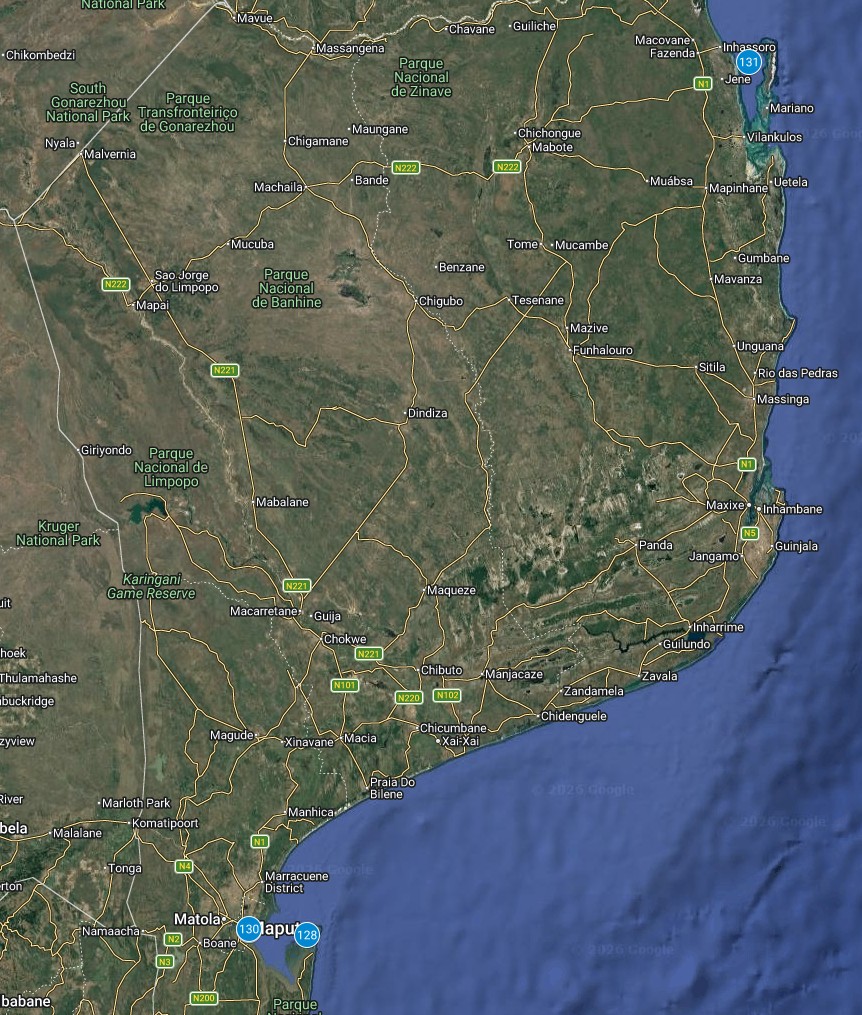
Click here to see the dead pools of southern Africa on a map. →
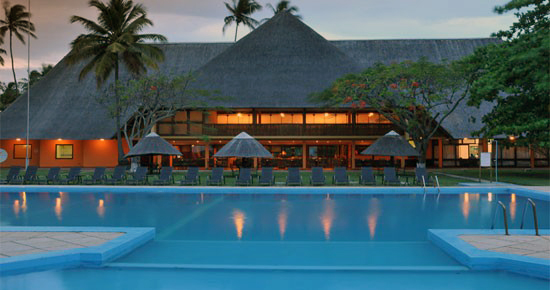
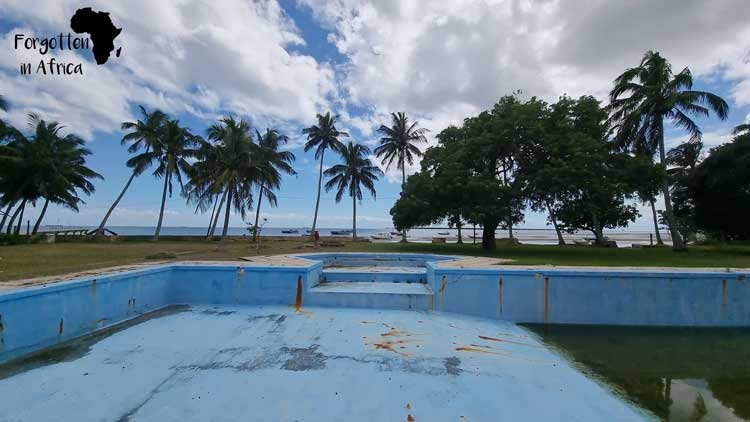
128. Inhaca Hotel
The hotel property was originally built in 1970 during the late Portuguese colonial period in Mozambique, and served as a beach resort getaway for travellers interested in the island's marine life and pristine beaches until it closed its doors in 2016.
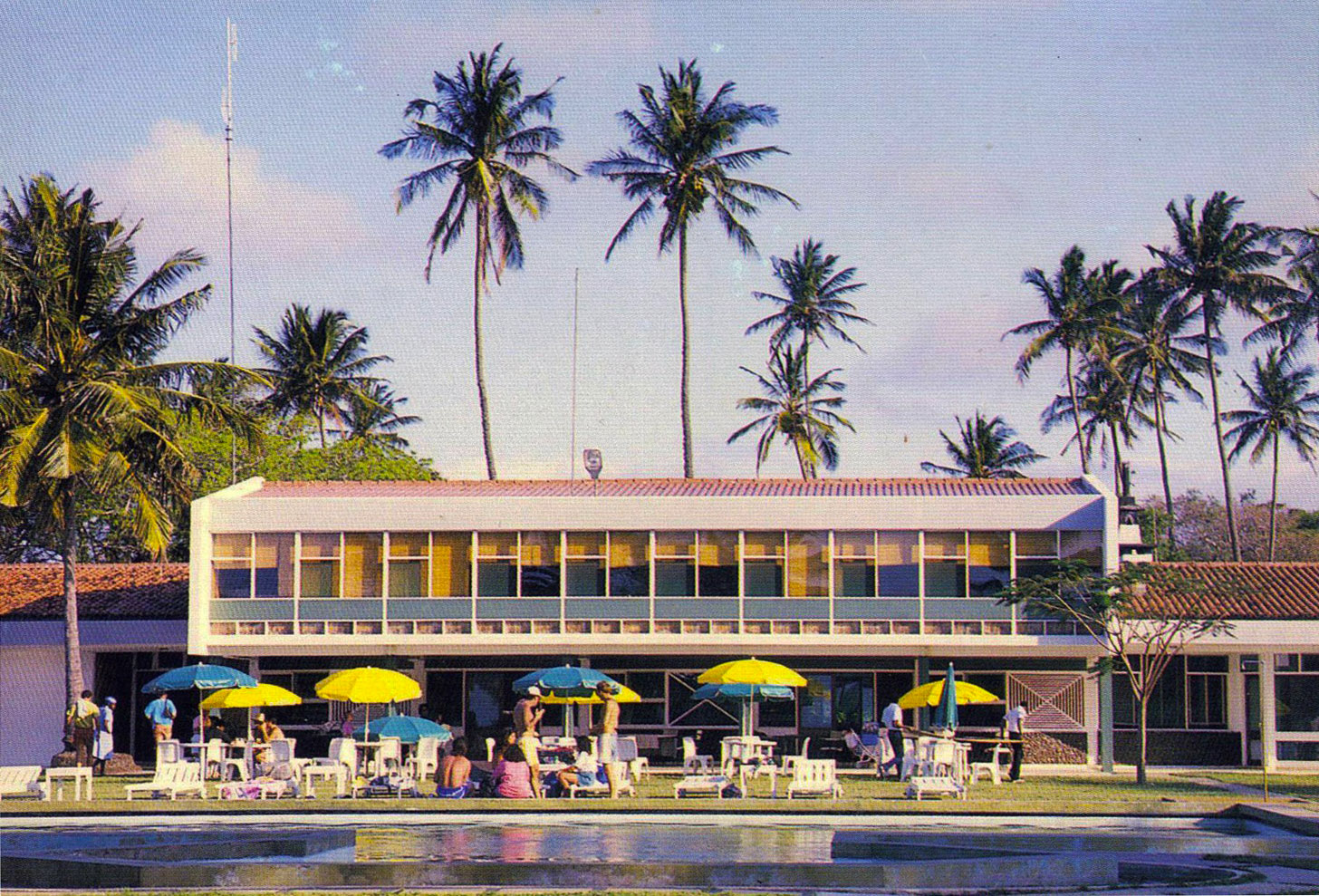
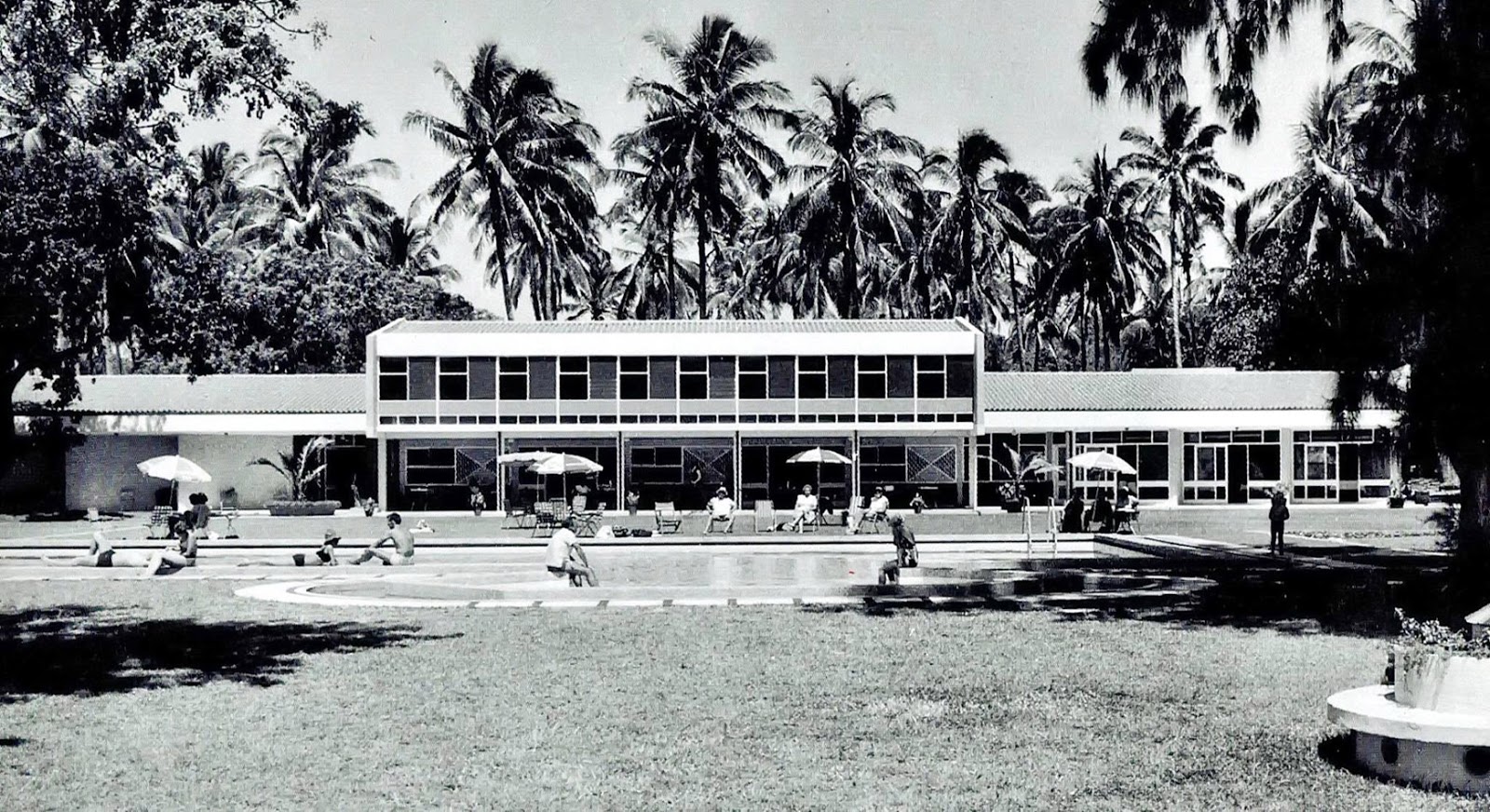
The resort underwent its most recent major modernisation and structural renovation in 2008. In 2015, the resort was closed to initiate a multi-million euro overhaul. However, the project was completely halted by the local municipality because the required building and renovation approvals were never officially granted.
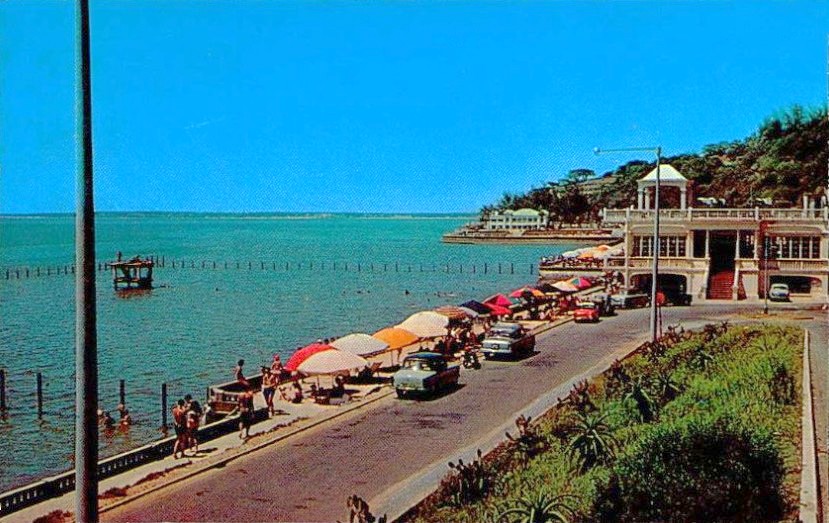
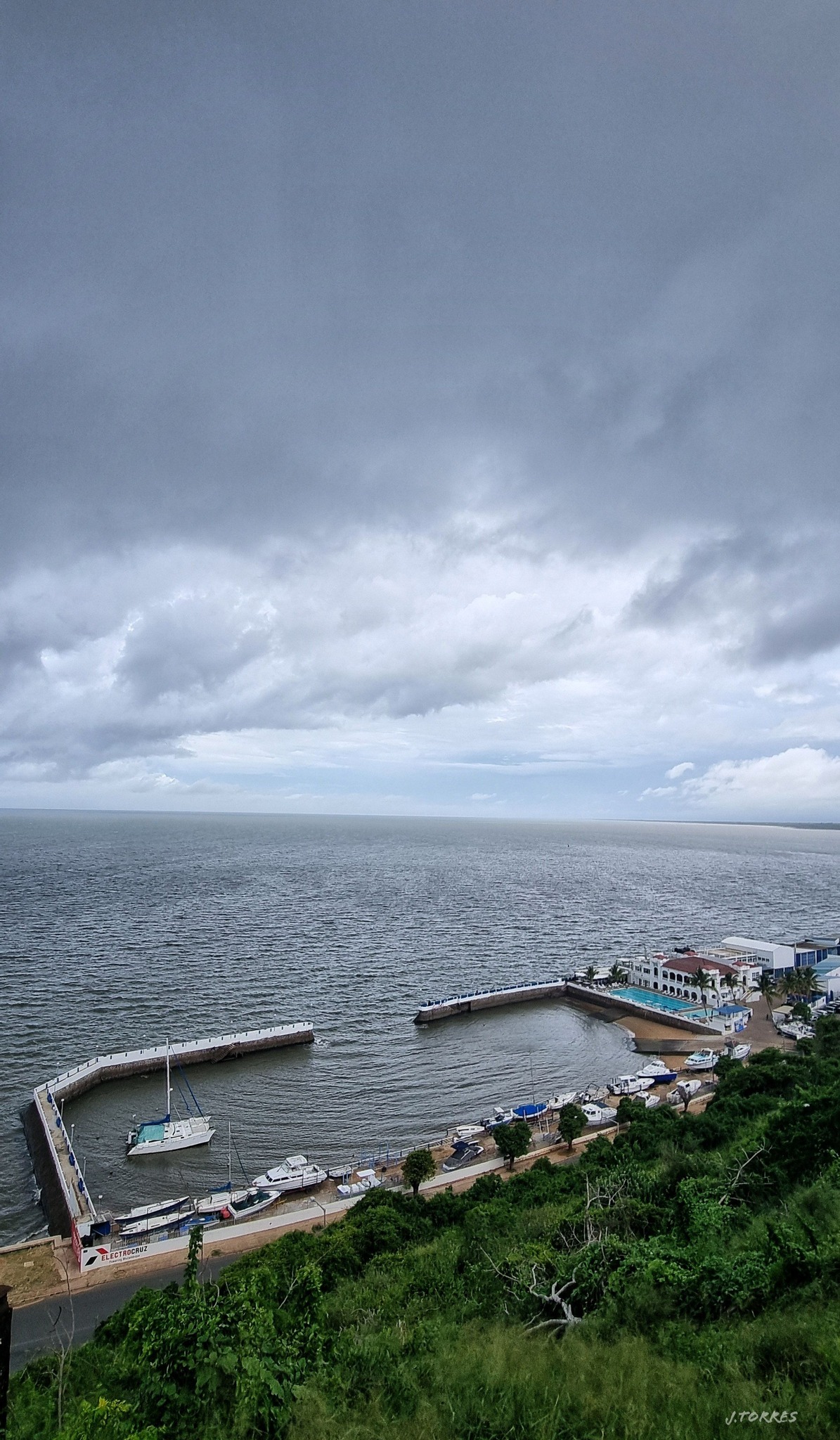
129. Grémio Nautico - Naval Club, Lorenzo Marques
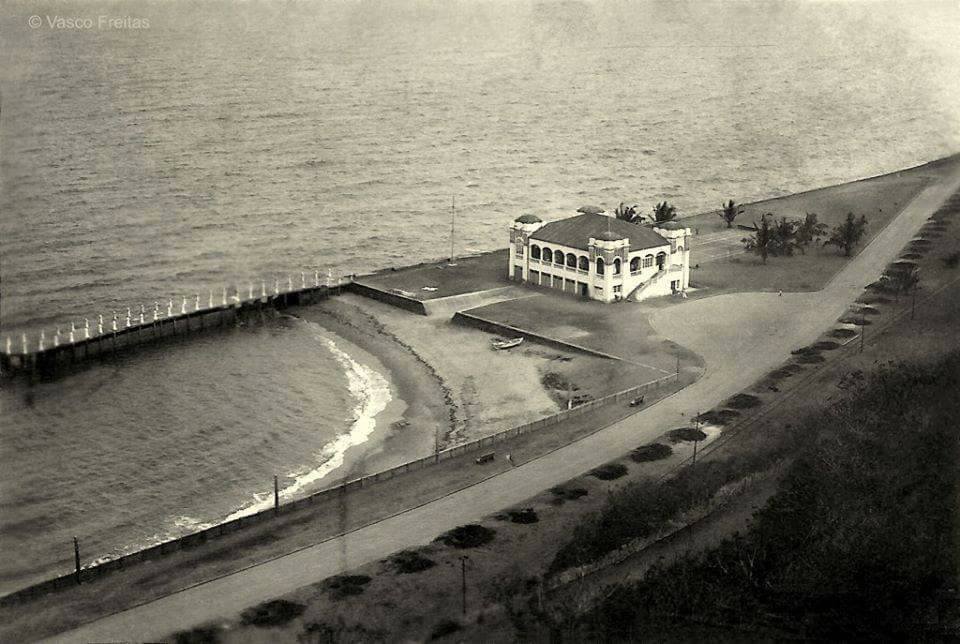
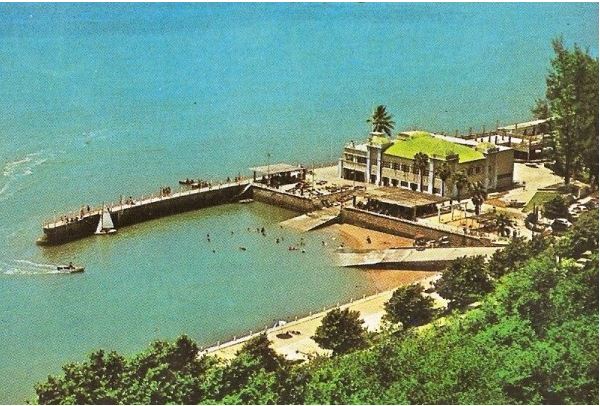
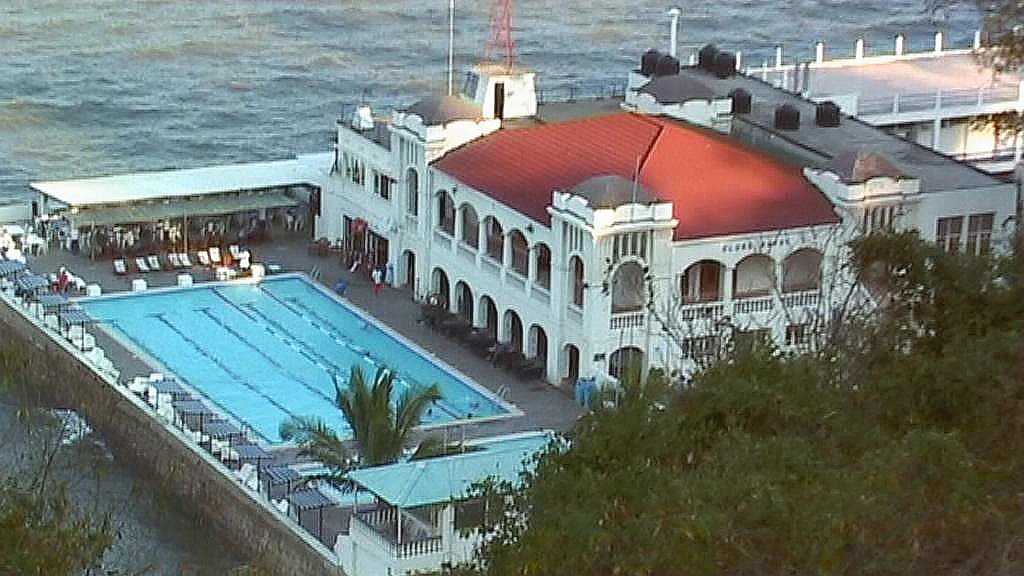
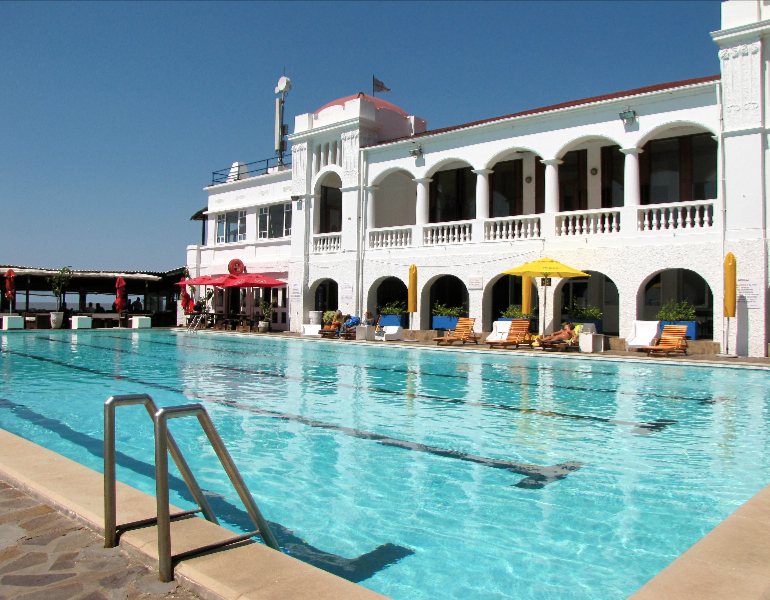
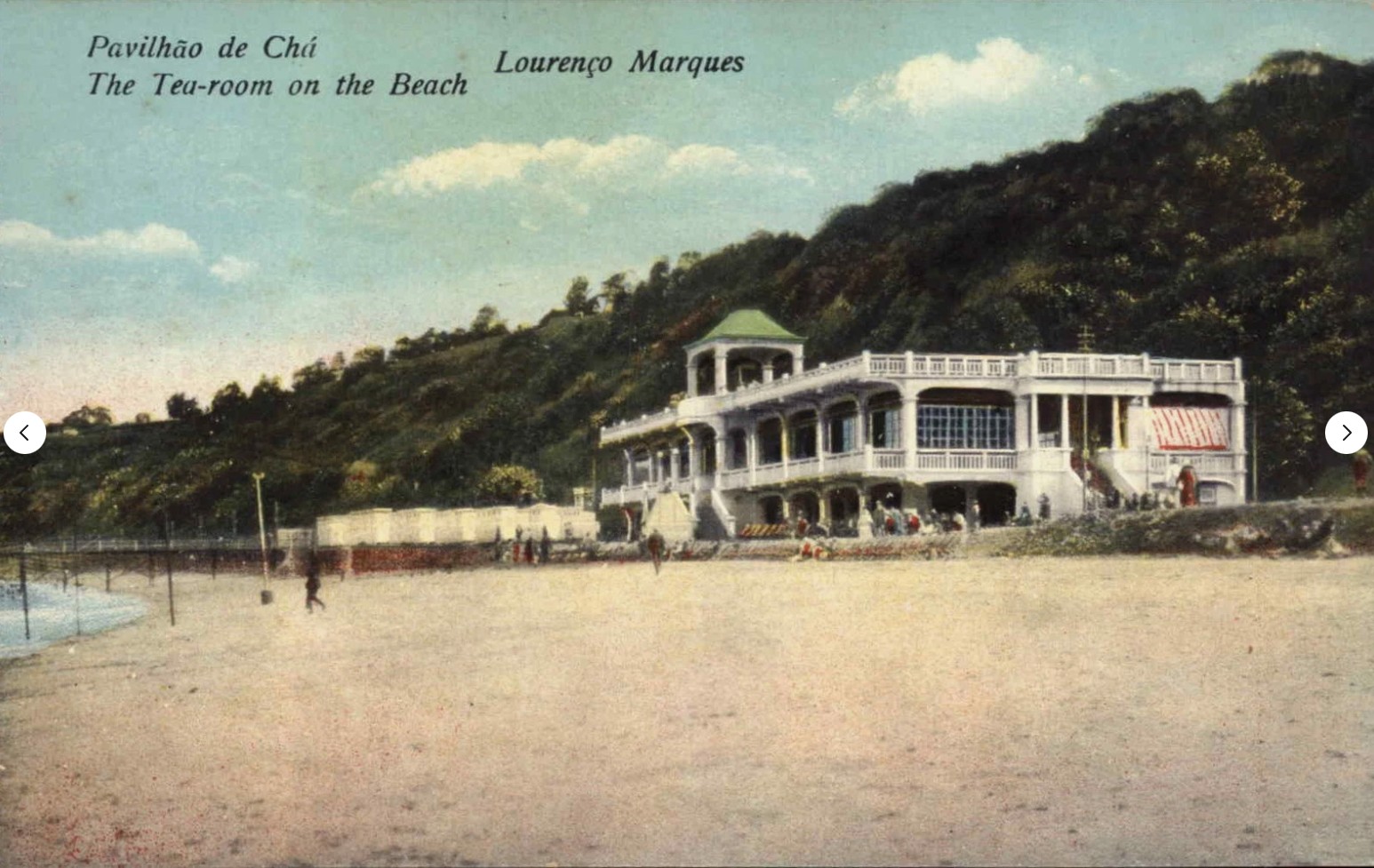
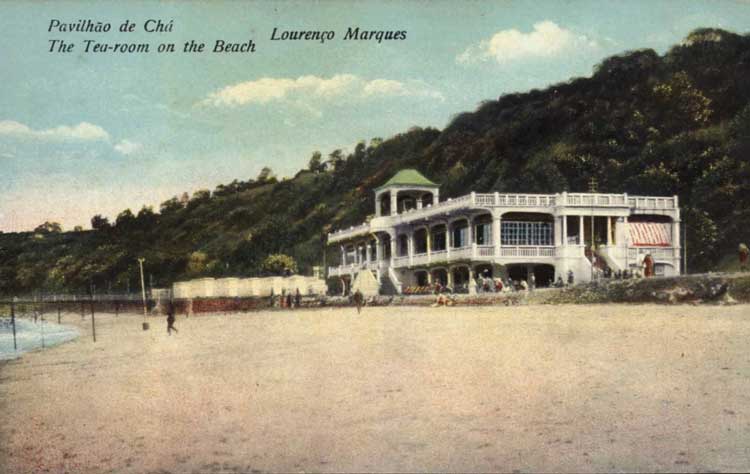
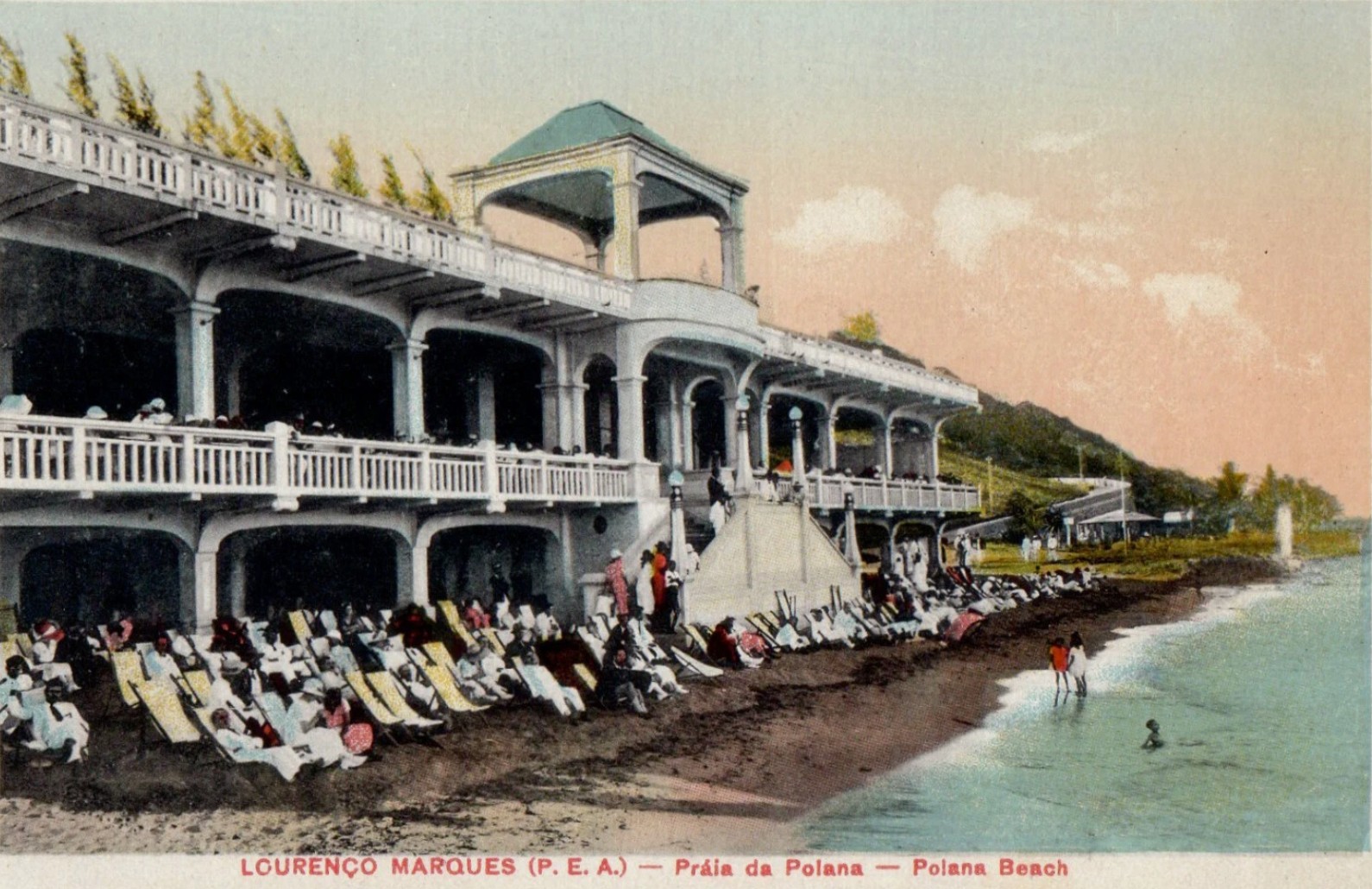
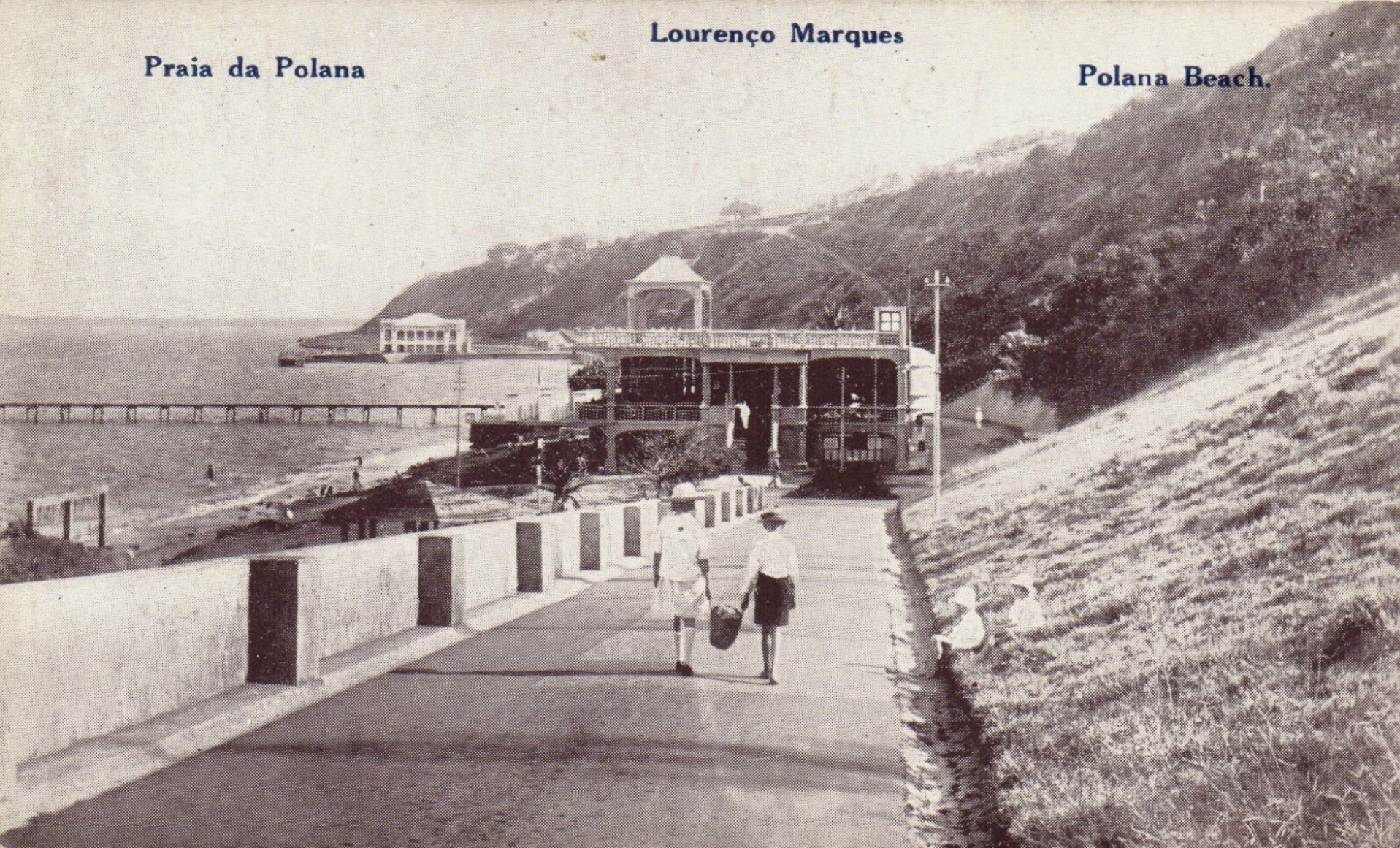
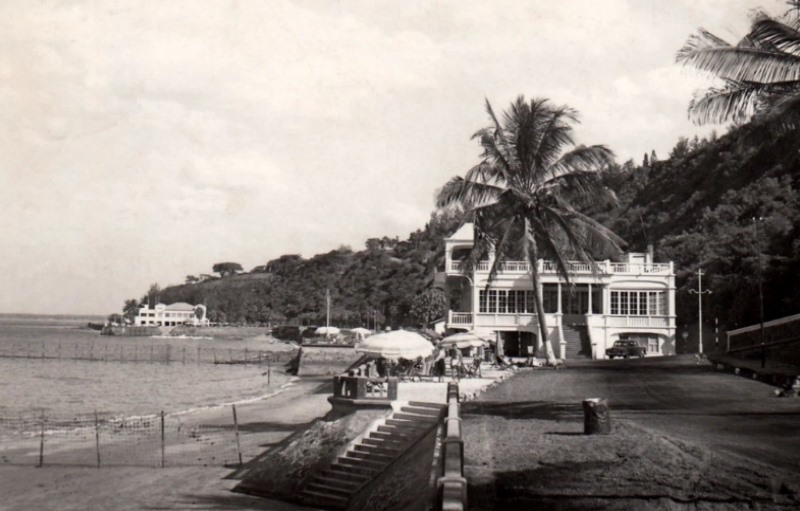
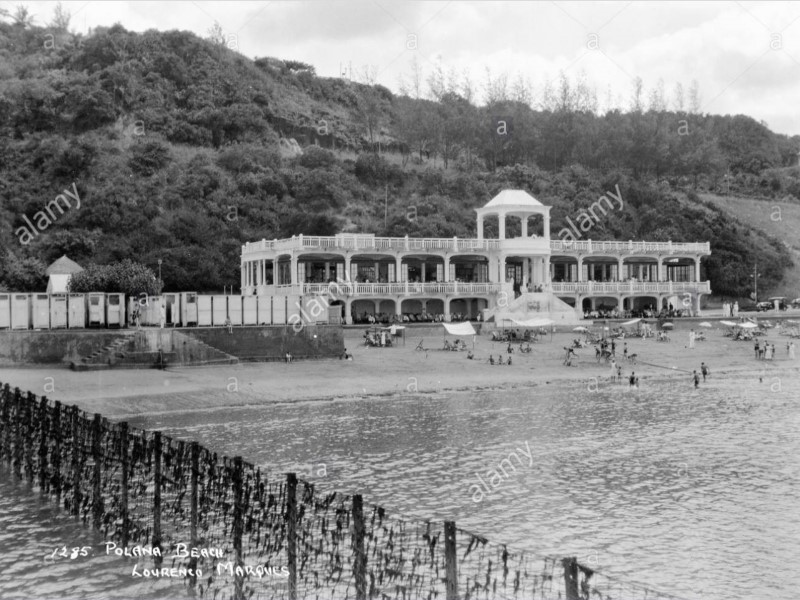
The iconic clubhouse was built in 1919, with architecture is similar to the 1922 Polana Hotel, as well as the Tea House on Polana Beach.
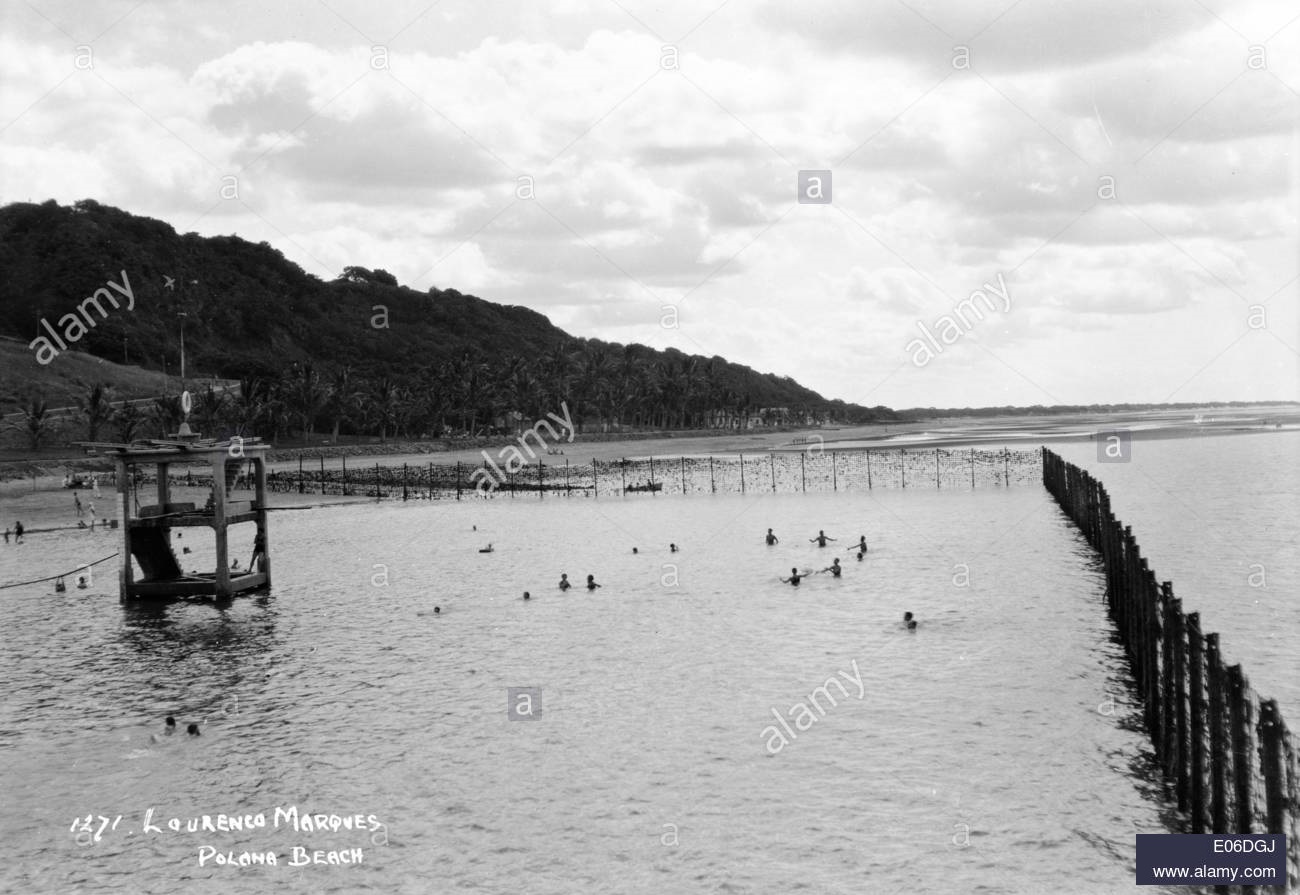
The initial clubhouse with the Polana Beach swimming enclosure in the background.
A swimming pool was added in 1974. It is a saltwater 25m pool, which is used by a swimming club.
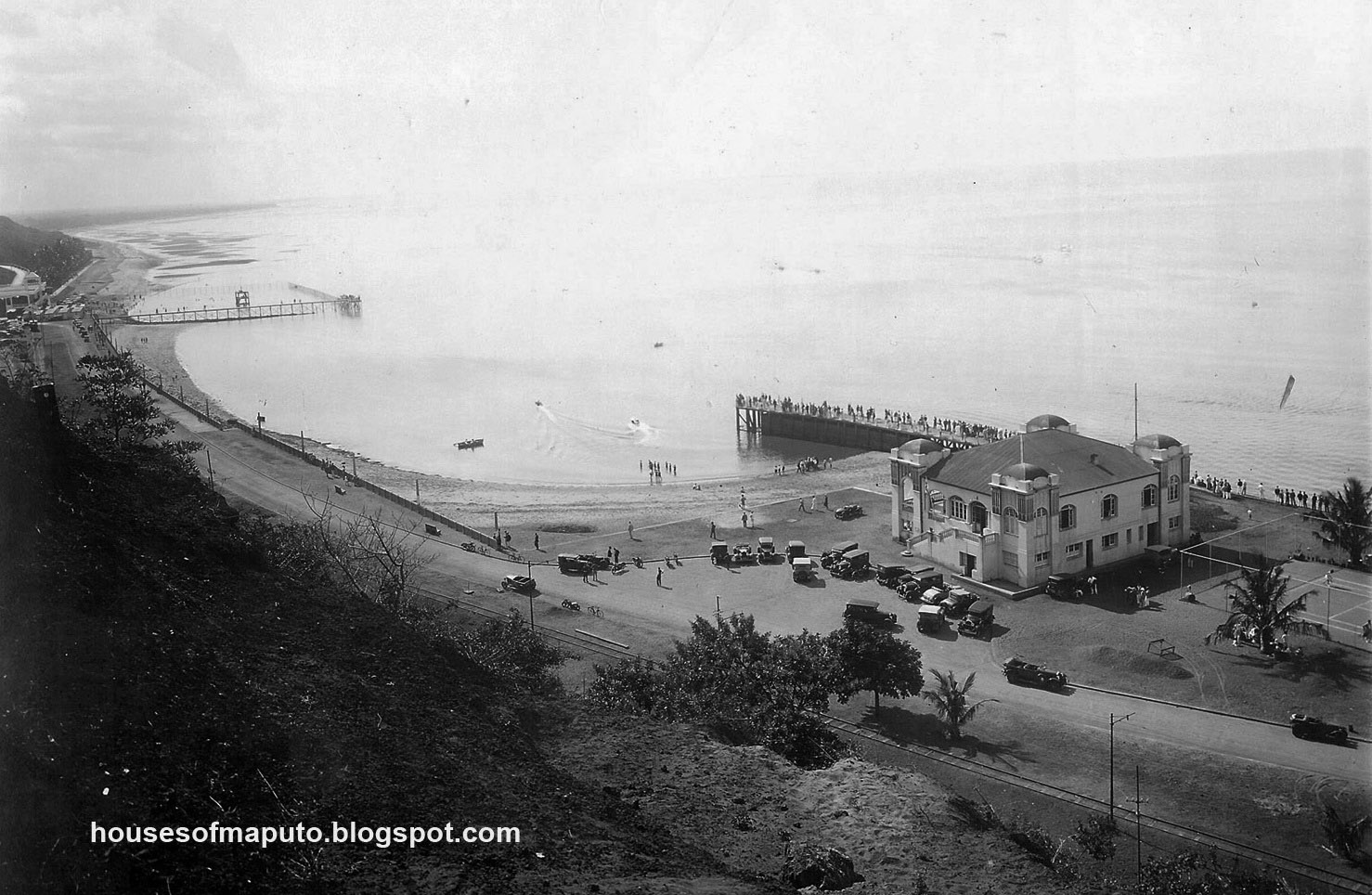
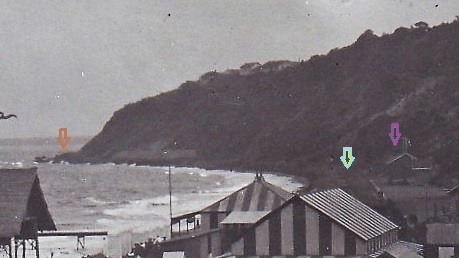
The Naval Club (Grémio Nautico) did not yet exist, as this building dates from 1919, and it becomes clear that it was built on landfill in the curve that the bay's coast made (left yellow arrow), a little beyond the station at Polana Beach. Read more here →
130. Polana Hotel, Lourenço Marques
The Portuguese colonials in Mozambique were very fond of swimming, a fact reflected in the many colonial-era swimming pools found throughout Mozambique and Angola. Most are now defunct, but the remains of some are still visible today. Click here to see them on a map →
Although there are ocean tidal pools in Portugal, as well as in the colonies of Cape Verde and Guinea-Bissau, there are no tidal pools along the coast of either of the Portuguese colonies in southern Africa.
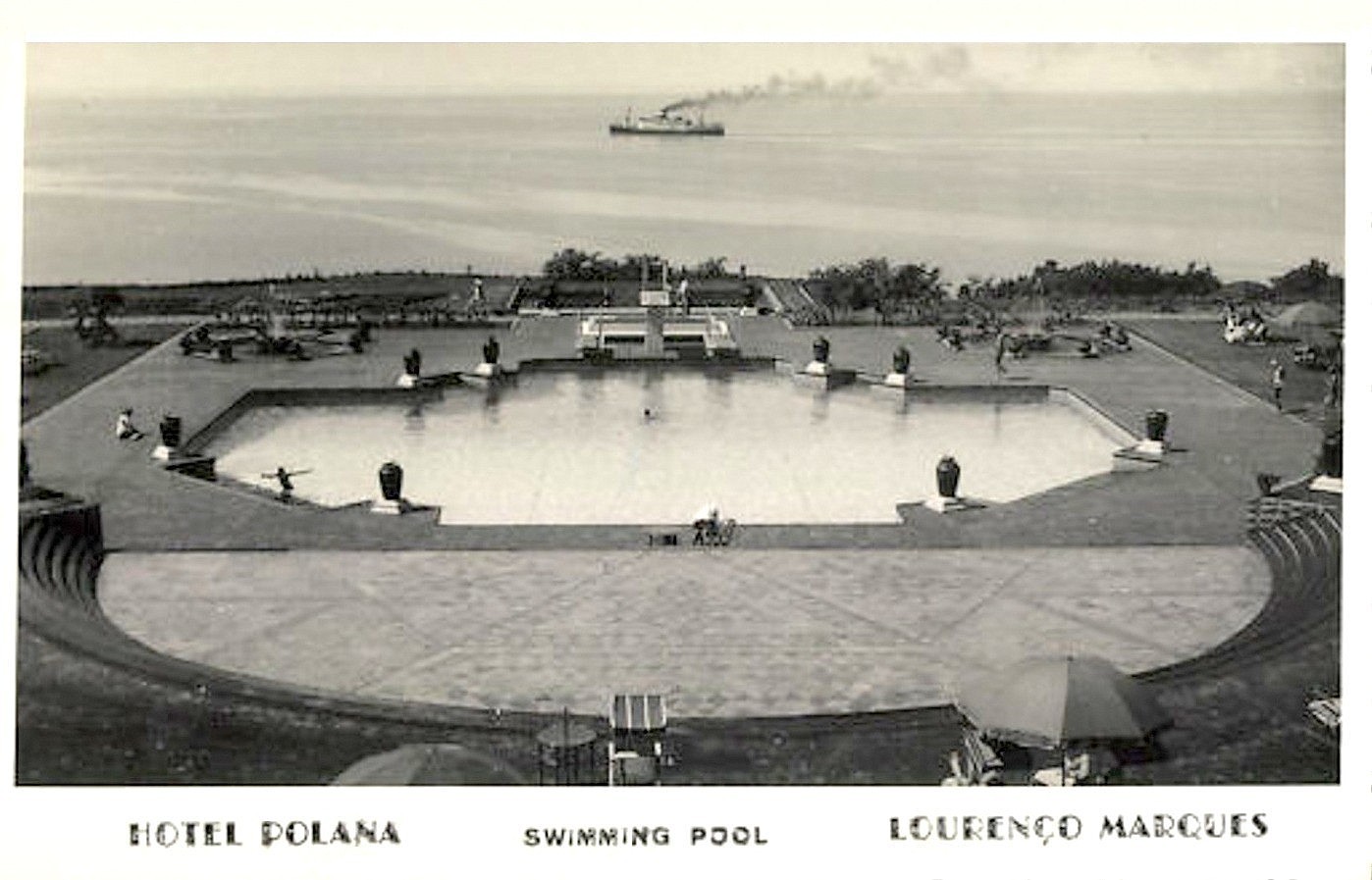
Built in 1922, the Polana Hotel was the brainchild of Lourenço Marques, a 16th-century trader and explorer after whom the capital was previously named, who wished to transform the city into a second Monte Carlo. After a period of decline, the hotel, in 2010, it completed a major $25-million refurbishment that modernised its facilities while preserving its historic architecture.
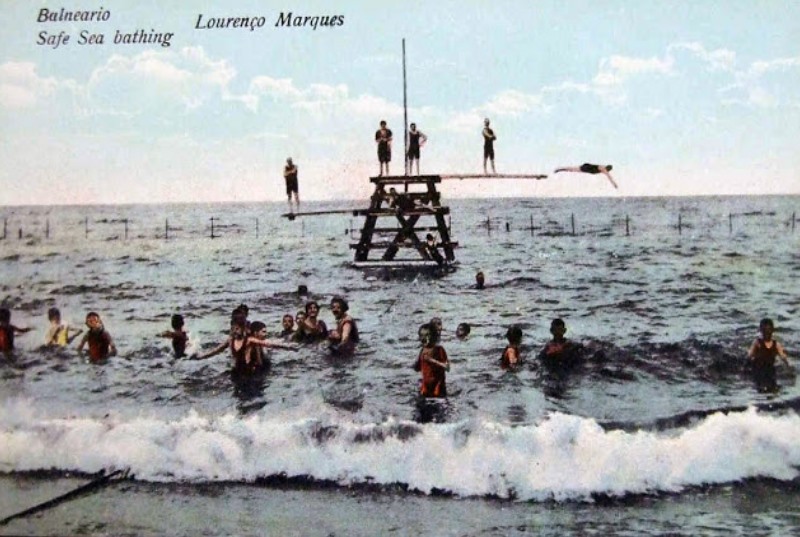
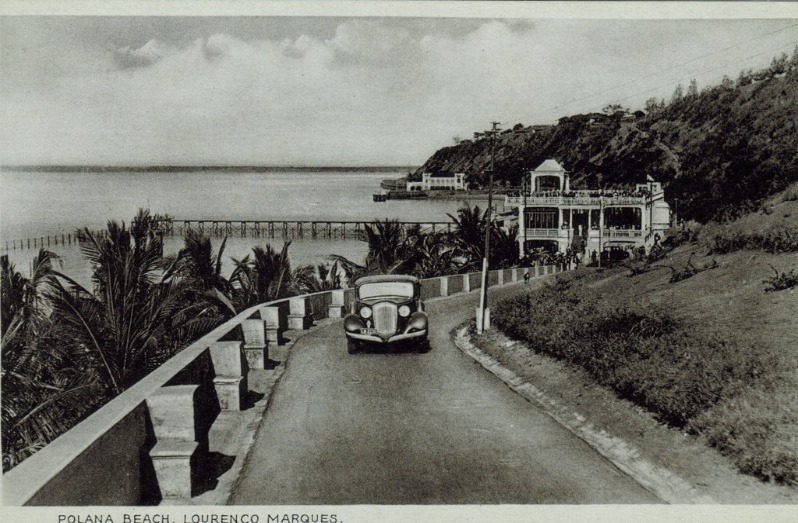
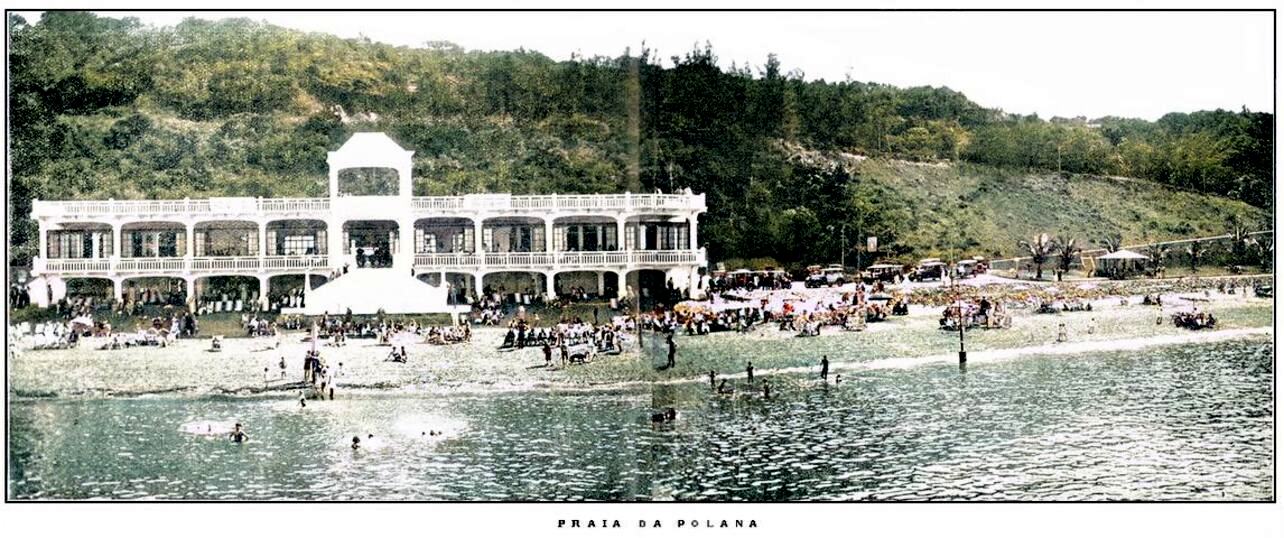
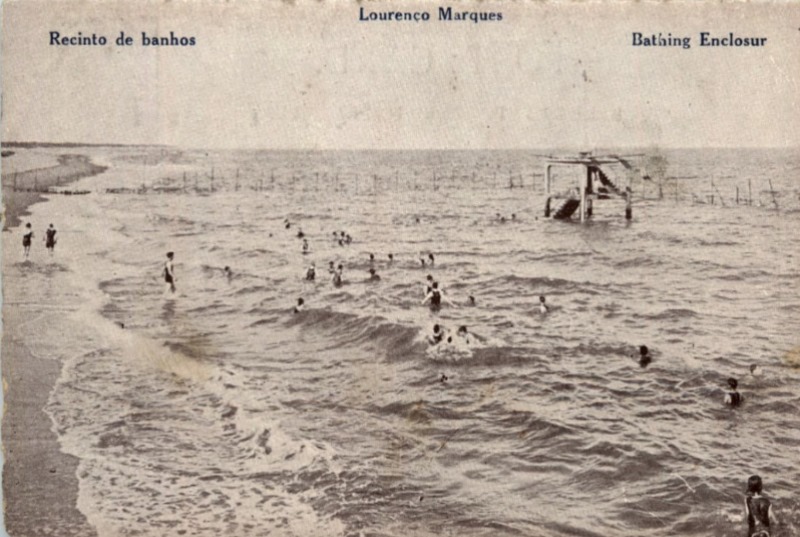
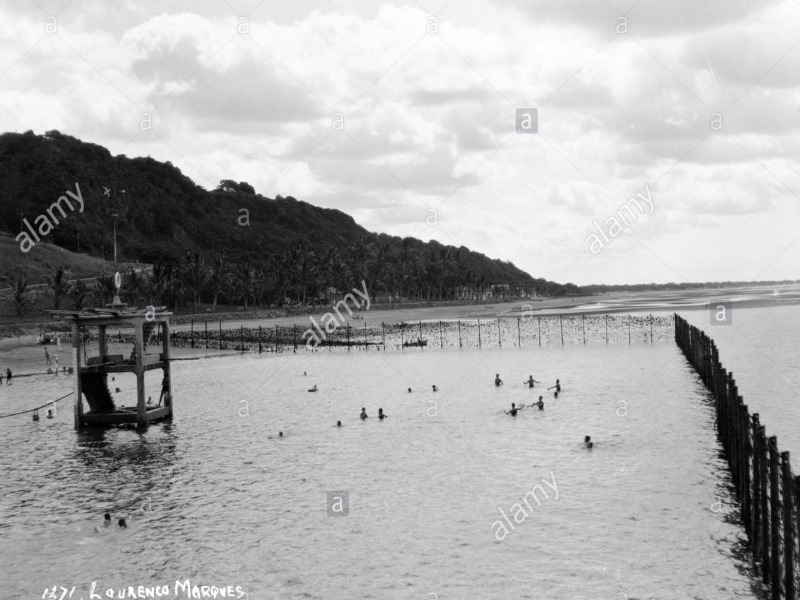
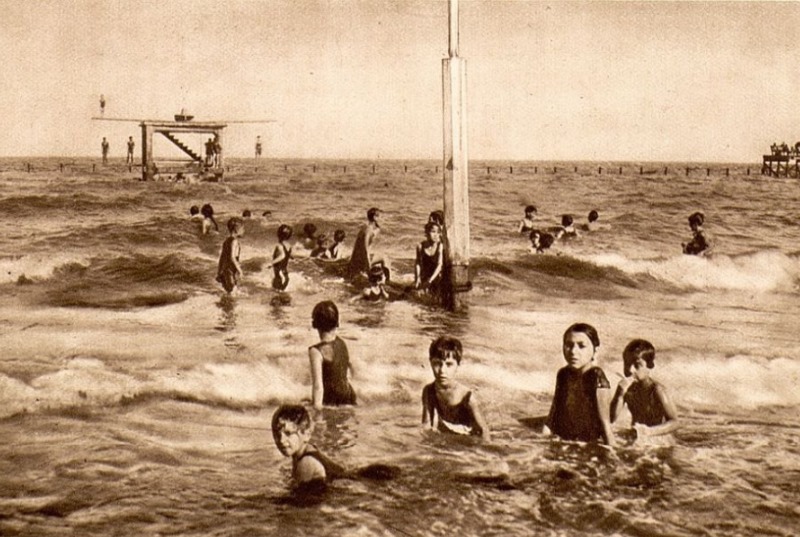
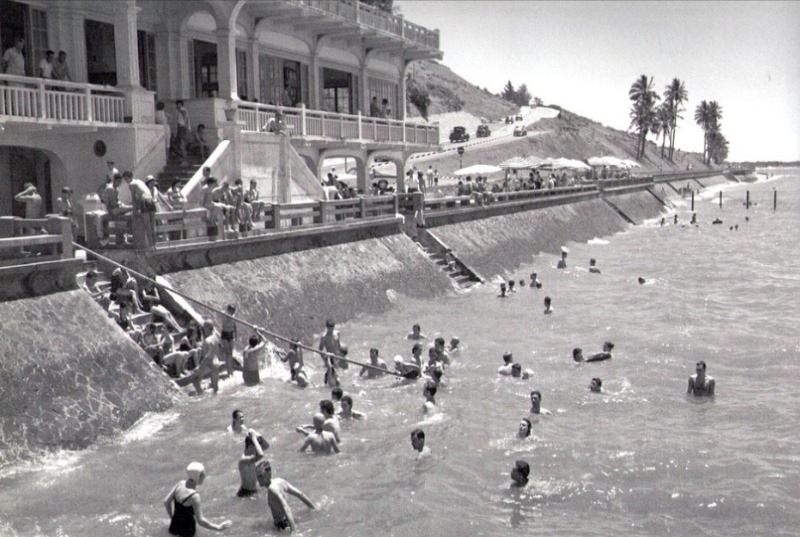
The Polana Hotel was once associated with a shark-net enclosure at the adjacent Polana Beach. While the hotel itself is famous for its iconic circular garden pool built in 1922, guests often bathed in the sea within the protected area, where a net was erected around the old bathing grounds to protect swimmers from sharks in the bay.
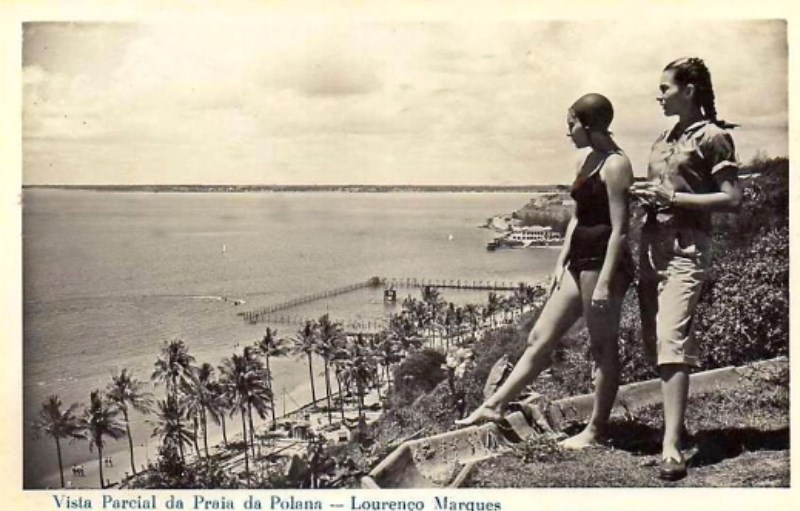
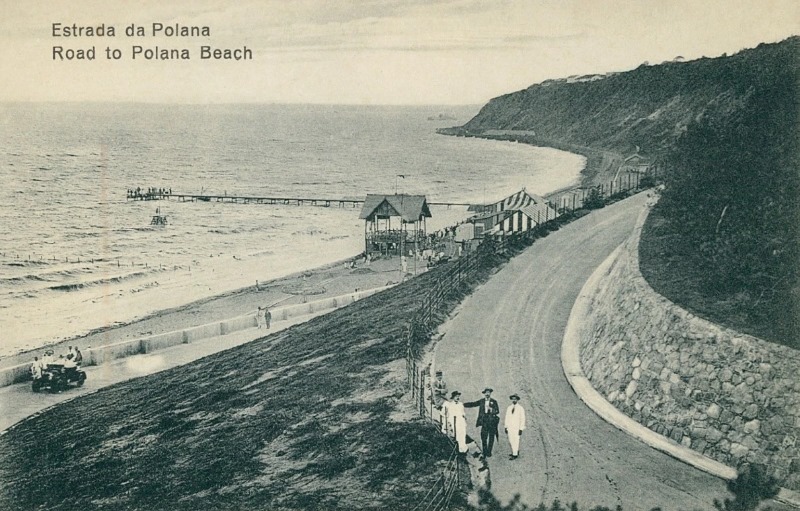
In 1910, a road was built down to Polana Beach, followed by a railway line and a station the next year.
The enclosure was situated near the Pavilhão de Chá (Tea Pavilion), which was also built around 1922 as part of the hotel's beachfront amenities. The enclosure featured a wooden three-level coastal diving board, which was later replaced by a more modern concrete platform used only during high tide.
The enclosure fell into disuse in the early 1960s. In the 1950s, due to barriers and dredging in the bay for access to the port, the sand on this beach practically disappeared, and people started using the beaches further north, towards the Costa do Sol.
Today, only rusted reinforced remains are visible during low tide, as the original beach area has changed significantly over the decades.
131. Hotel Santa Carolina
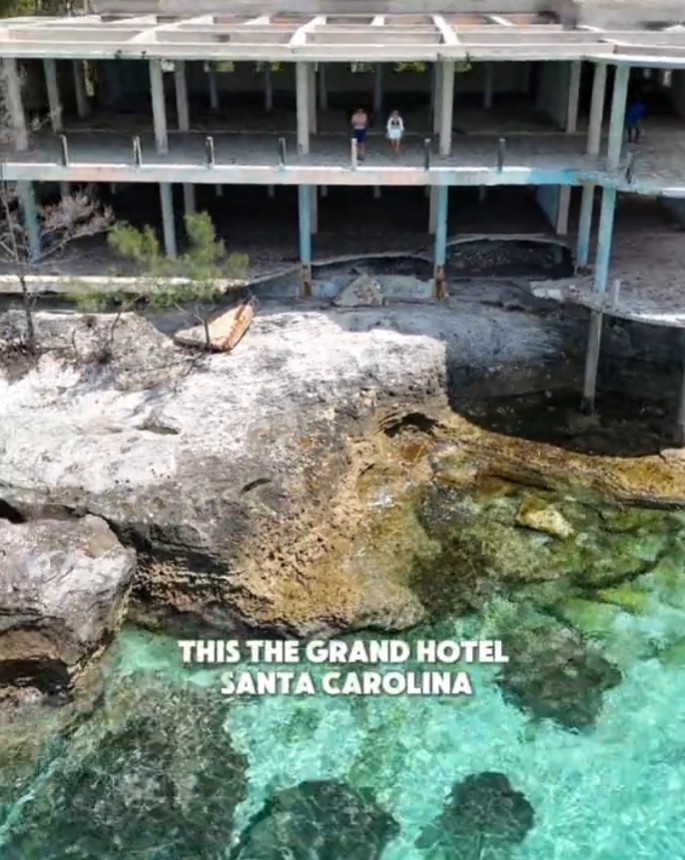
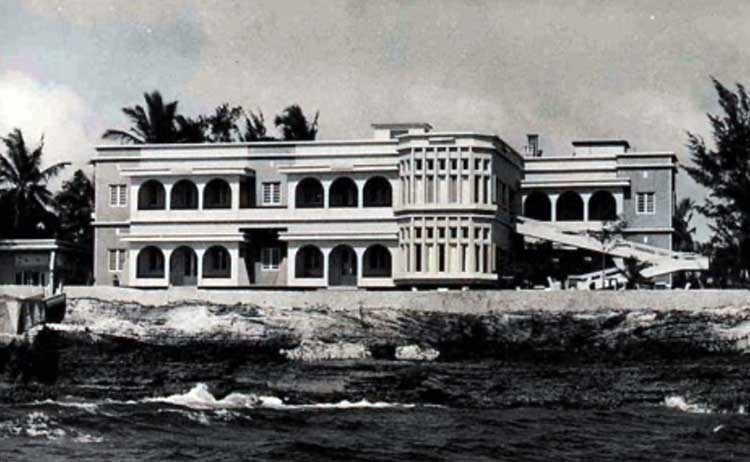
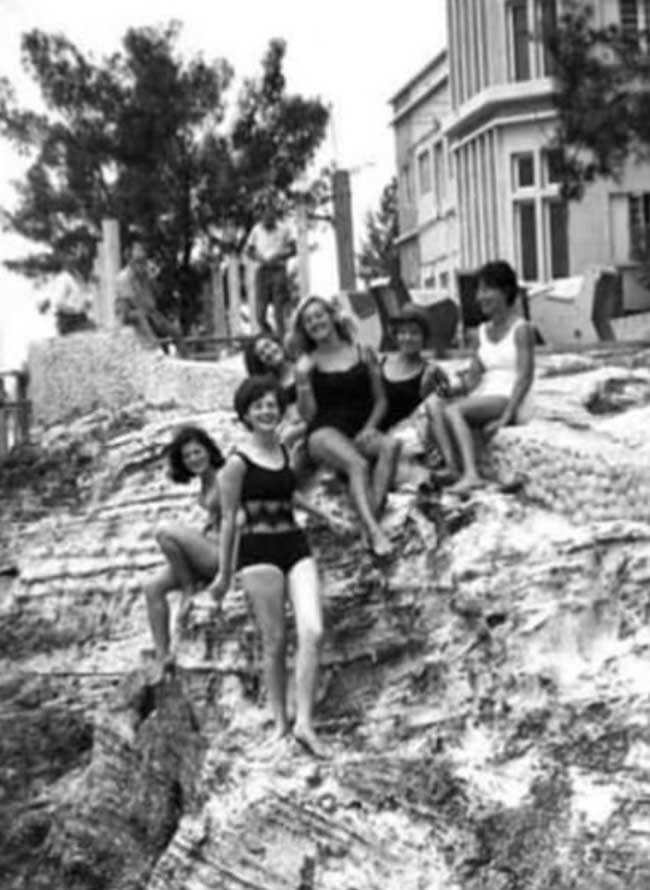
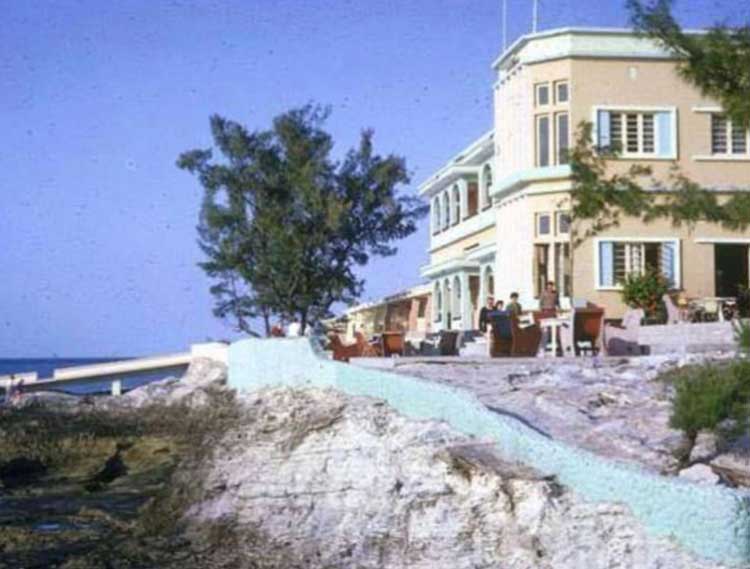
The Grande Hotel Santa Carolina (also known as the Paradise Hotel) is a famous, abandoned vintage luxury resort located on the coral island of Santa Carolina (Paradise Island), within the Bazaruto Archipelago off the coast of Mozambique. Built in 1952 by Portuguese entrepreneur Joaquim Alves, the hotel is celebrated for its mid-century Art Deco architecture and its history as a glamorous playground for the rich and famous during the 1960s and 1970s.
The onset of the Mozambican Civil War in 1977 triggered its downfall. The luxury complex was repurposed as a military base and prison camp during the conflict.
There are many photos of the hotel, but none show the swimming pool. According to some reports, the pool was next to the coast, but today it has vanished completely!