
5. Graaf's Pool
 Graaf's pool, the furthest north along the coastline, has a unique place in the story of the South African tidal pool for all the fuss it has caused. The pool was built in 1910 to accommodate the needs of a paralysed woman who lived in a mansion right behind the pool. It featured a tunnel for access under the beach road and a wall to shield the user from view.
After her, the mansion and the pool were owned by a politician named Graaff, after whom the pool was named, and who later bequeathed the pool to the City of Cape Town.
It soon became a popular hangout spot for gay men, who congregated behind the wall and swam in the nude. After a number of years, some of the locals objected to this practice, and the wall was demolished in 2005. The pool is now mostly abandoned.
Below is an aerial view of the site.

6. Milton Road beach pool
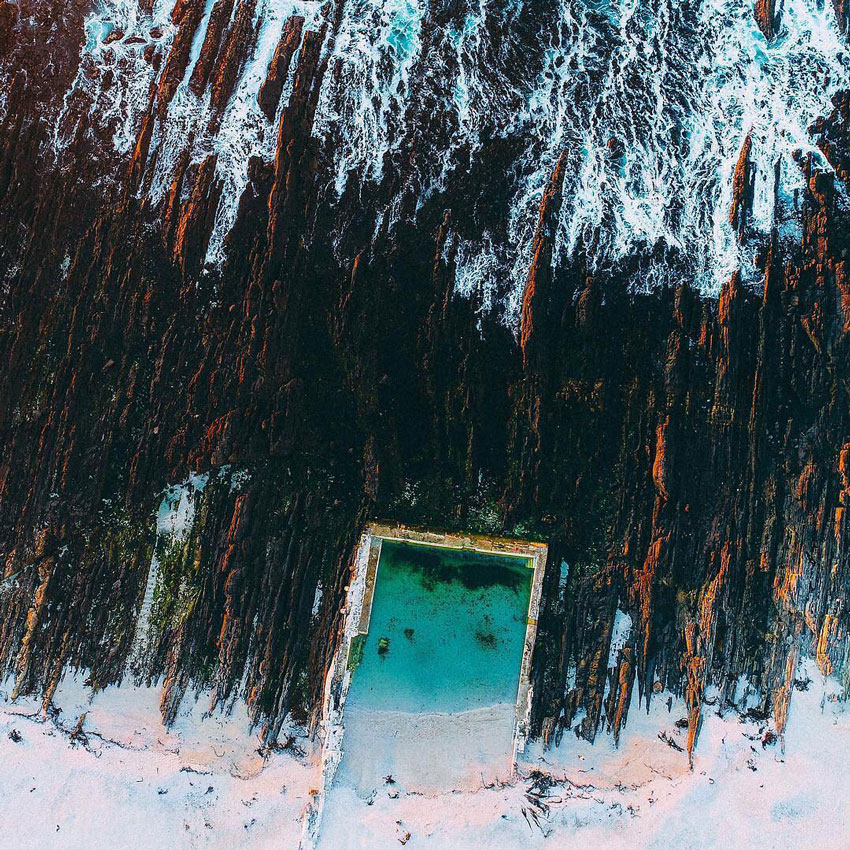
Located a short distance west of the Graaff pool, the Milton Road tidal pool is a family favourite. The tidal pool was constructed in 1910 and appears largely unchanged. In his 1982 paper 'Design of Coastal Structures for Recreational Purposes', engineer G H O'Connell, tests wall heights at 200mm intervals before reaching the perfect measurement. Adhering to this sort of model, Milton's Pool uses man-made walls to retain water and a manually operated valve (or plug) to drain the pool at spring low tides. Unfortunately, the unique rock formations dissipate wave energy unusually fast, and waves seldom break into the pool. Consequently, the warm water is swamped with algae and, due to poor management, is seldom emptied.
7. Brokenbath Beach tidal pool
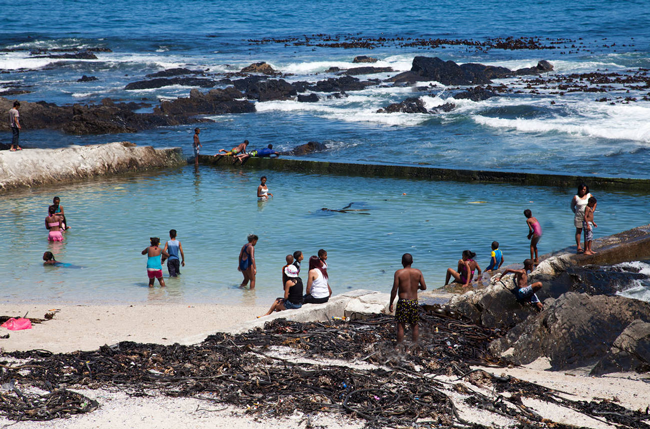
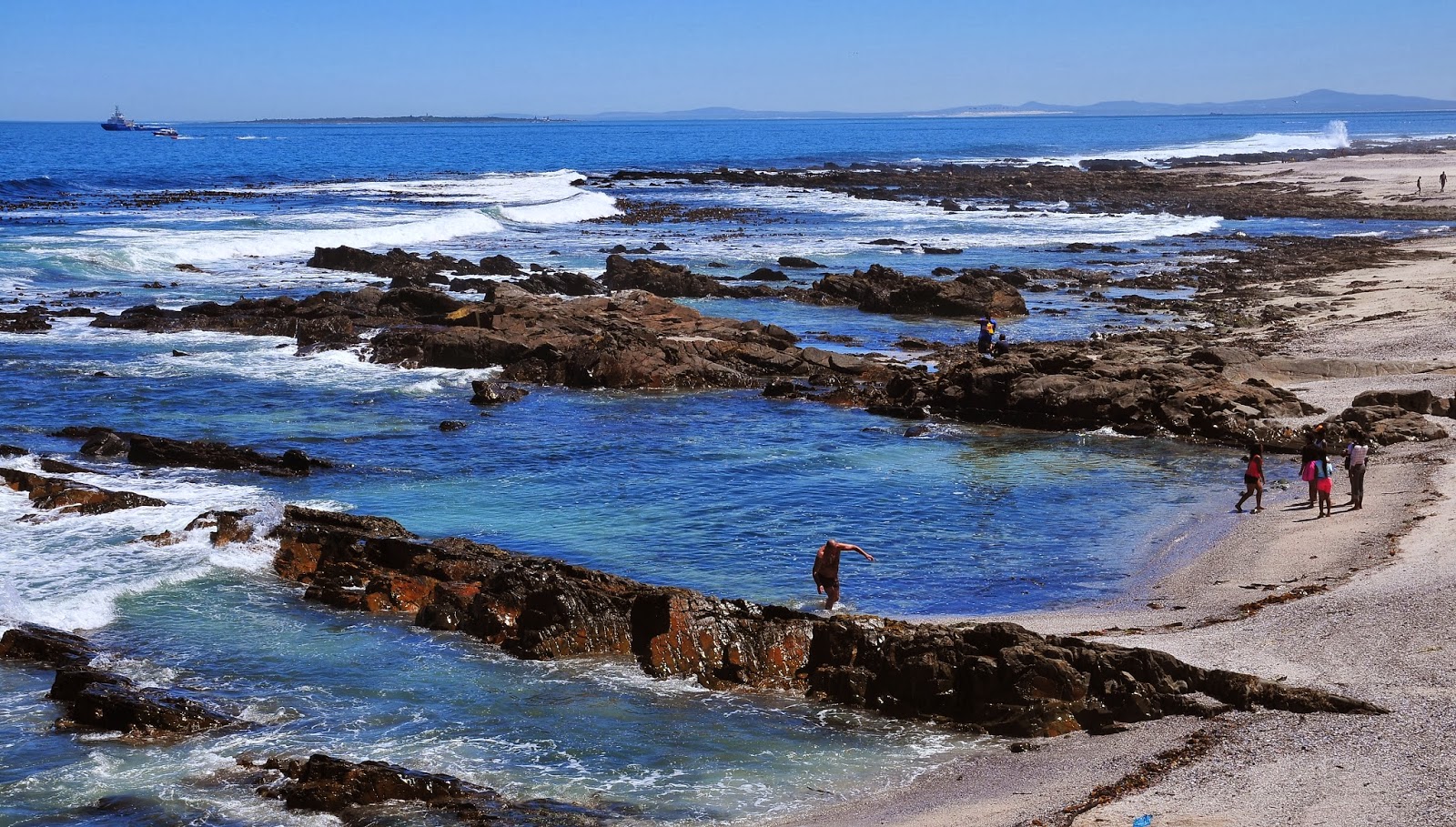
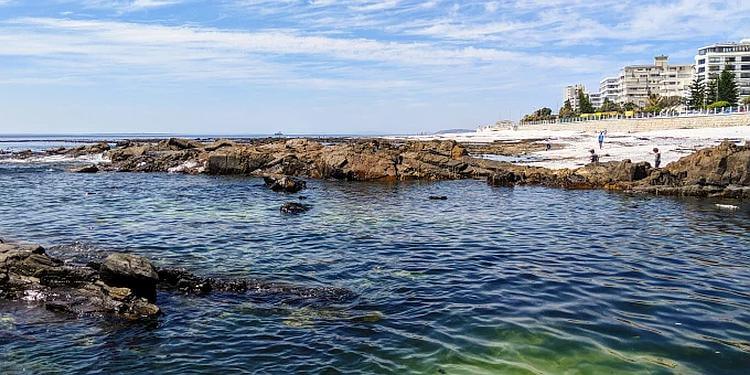
One of the earliest tidal pools built along the Sea Point coast was located here, in what is now known as Broken Bath Beach. It housed the first bathing pools in Sea Point in the late 18th century, which were eventually destroyed by storms, giving the beach its name.
8. Sea Point Pavilion
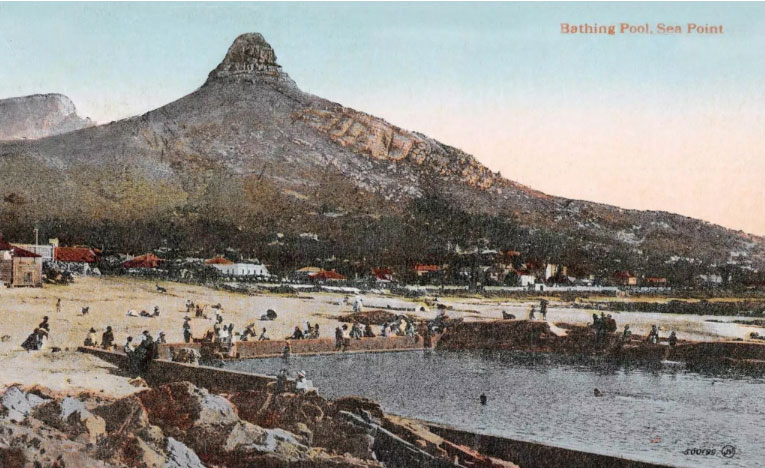
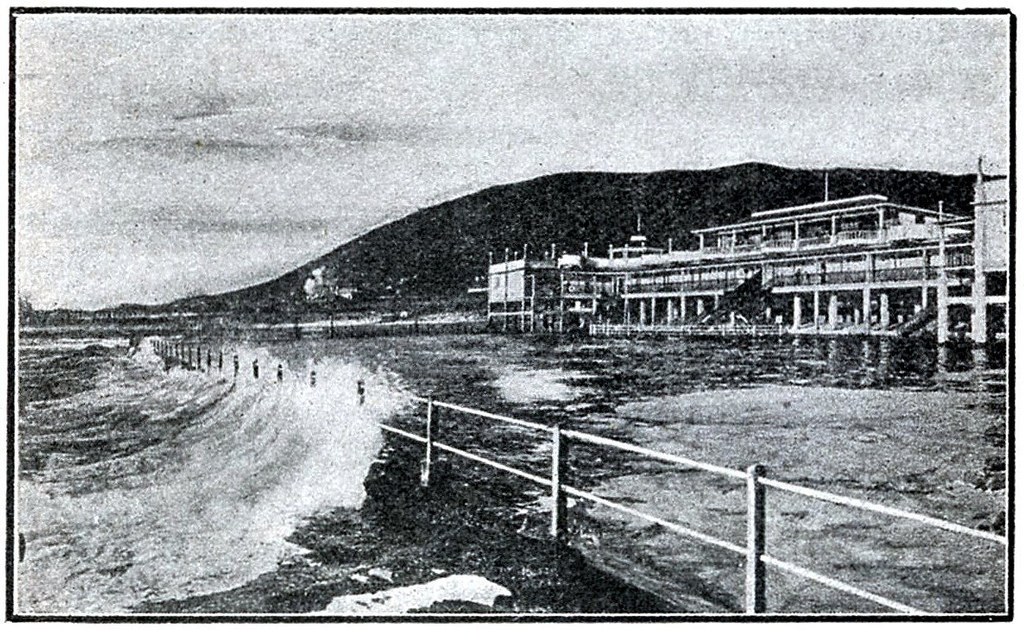
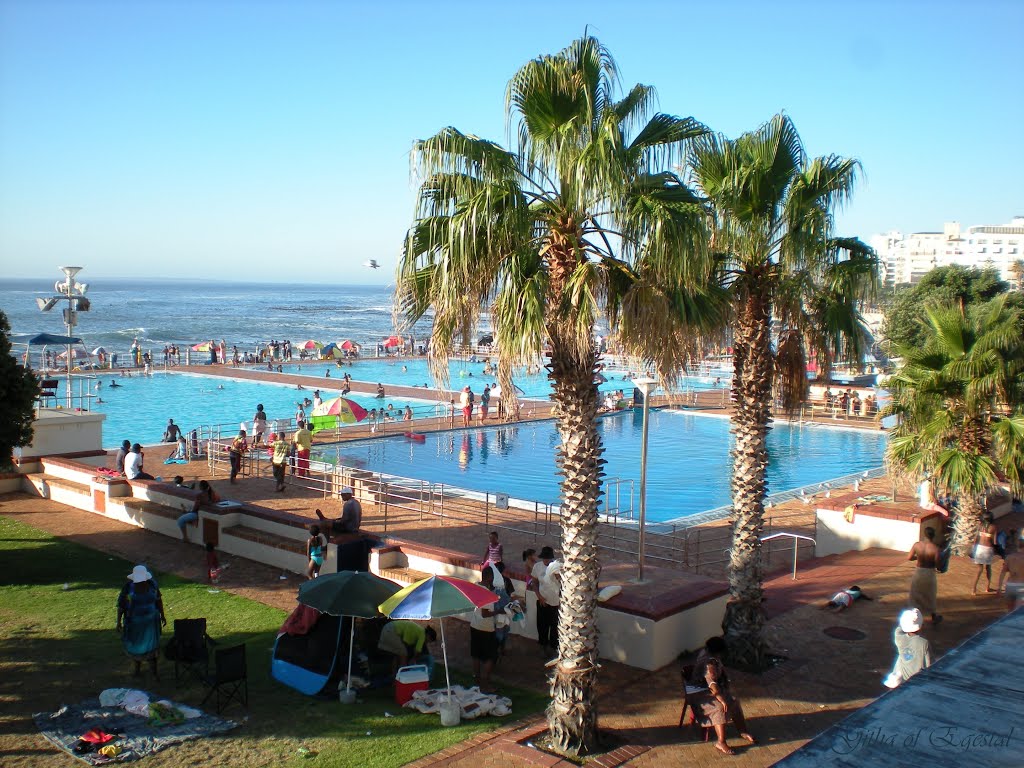
The jewel in the crown of Cape Town's tidal pools is undoubtedly the Sea Point Pavilion.
Read more about the Pavilion here.
9. Saunders' Rocks
While some tidal pools heat up in the summer sunshine, Saunders tends always to be chilly - expect "bracing" temperatures between 10°C and 15°C.
10 + 11.Maiden's Cove Tidal Pools
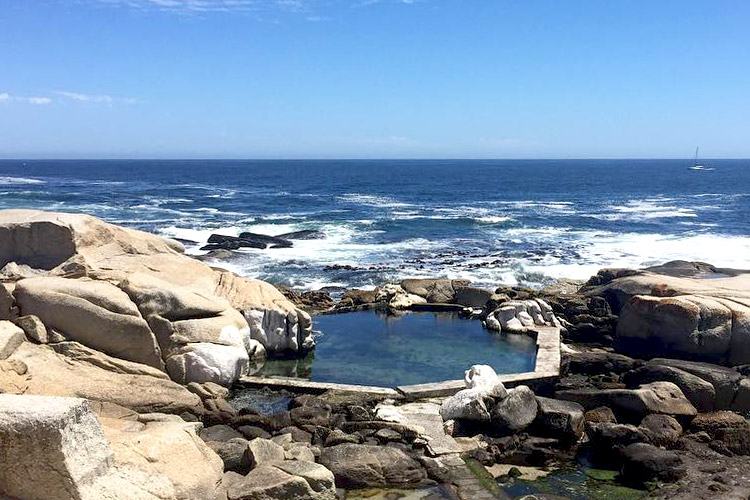
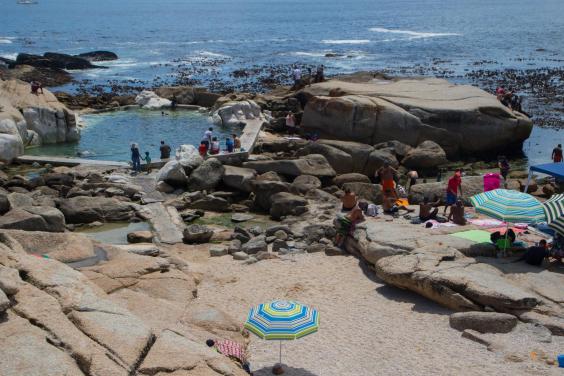
The tidal pools at Maiden’s Cove sit between Clifton and Glen Beach, offering a sheltered place to swim with views of Camps Bay and the Twelve Apostles. The water is calm enough for a relaxed dip, while the Atlantic swells crash just beyond the rocks. Families often gather on the grassy banks, and children explore the surrounding boulders. The pools are only a short walk from Camps Bay’s restaurants, cafés, and bars, making it easy to combine a swim with a meal or coffee. It’s a spot where everyday Cape Town life meets the simple pleasure of the sea.


11. The second Maiden's Cove Tidal Pool


12. Camps Bay Children's Pool
In 1884 Thomas Bain was commissioned to build a road from Sea Point to Camps Bay using convict labor. The road was completed in 1887 and named Victoria Road to honour Queen Victoria’s jubilee in 1888. Camps Bay by now was a popular picnic spot.
In 1901, the Camps Bay tramway was built to bring people out for the day, and with it, the development of the tidal pools


13. Camps Bay Tidal Pool
The primary catalyst for the development of tidal pools in Camps Bay was the introduction of the Camps Bay Tramway in 1901. While early versions of pools existed from the tramway era, the Camps Bay Tidal Pool in its modern form is often cited as being constructed around 1938. The town also enjoyed an indoor swimming pool, which was heated from the excess energy released by the tramway.

Night swimming at the tidal pool in the Camps Bay Tidal Pool.

14. Camps Bay Indoor Pool
Little is known about this pool. It was located opposite the existing Police Station. The pool was probably filled with pumped seawater, which was common practice. The nearby tramway power station provided energy to heat the pool.
By 1935, Camps Bay remained largely a tourist attraction with only a few private properties.
When George Hedges, the father of Camps Bay swimming coach Wendy Way, founded the club in 1946, it operated from the Camps Bay municipal pool. After a storm damaged the facility, the club relocated to Long Street swimming baths.


15. de Kom, Kommetjie
Although there is no seawall to capture high tide waters, the Kom (basin, in Afrikaans) in Kommetjie is a natural tidal pool.
Greater flamingos flock to the area, and when the tide is out, the pool can’t be used, but when the tide is in, this pool is amazing for swimming. The pool lies on the edge of the catwalk, a bit away from the lighthouse. There are steps and a handrail to make it easy to get in and out of the pool. There’s also grass around the pool and a picnic space under some trees.


16 + 17. Soetwater Resort Kommetjie
There are two tidal pools at the Soetwater Resort in Kommetjie. It is a popular coastal getaway run by the City of Cape Town, located on a narrow strip of land between the Atlantic Ocean and the Slangkop Lighthouse.


17. located slightly further south

